Home › Guide
Solar garden lights: how to choose, place and maintain them
Solar lights need no cable and no socket — they charge during the day and light up a bed, a path or a terrace in the evening. This guide explains what to look for, where to put them, and what separates a light that lasts years from one that dies after its first winter.
Updated 5 August 2026
How a solar light actually works
A solar panel in the head turns daylight into electricity and stores it in a small rechargeable battery. At dusk a sensor notices the drop in light and the lamp switches itself on. In the morning it switches off and starts charging again. No wiring, no installation, no grid power.
The panel still charges under cloud cover, just more slowly. That is why a lamp glows briefly in November and can run all night in June.
What to look for
- Shade material: glass keeps its colour and shine for years, thin plastic fades and clouds in the sun.
- Light colour: warm white (2700–3000 K) suits a garden far better than cold blue.
- Battery: more capacity means longer run time, and it should be replaceable.
- Weather rating: for a permanent outdoor spot look for IP44 or better.
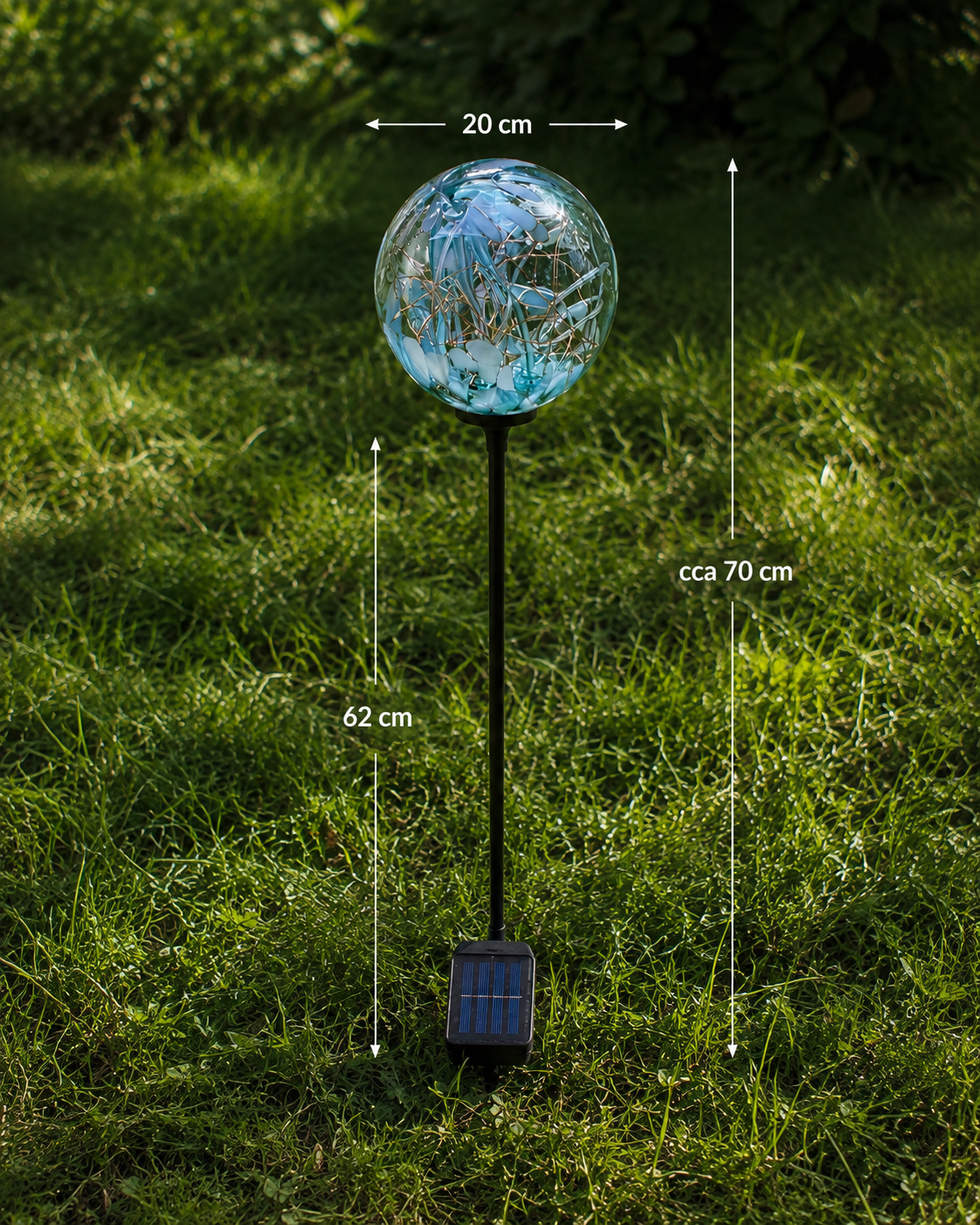
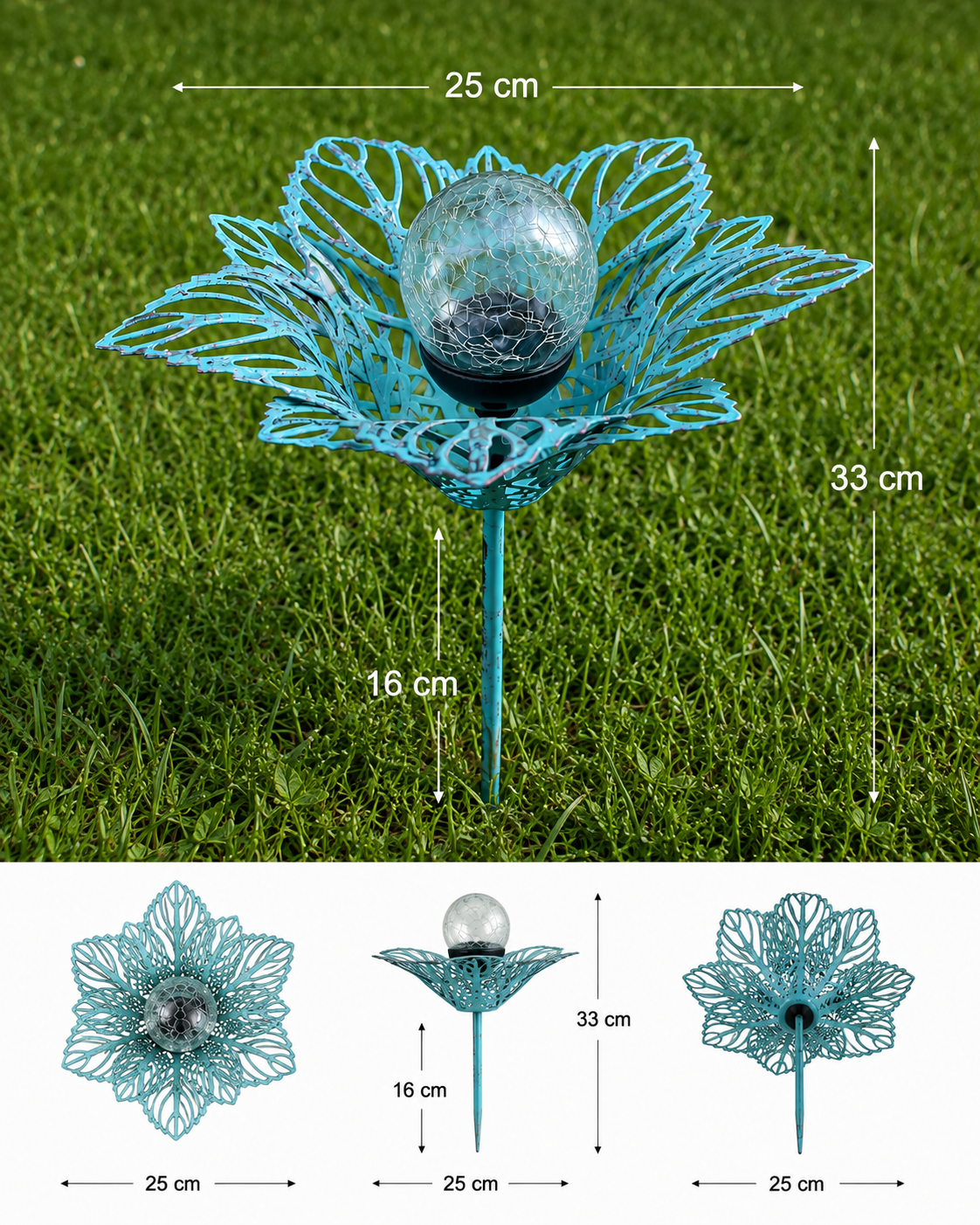
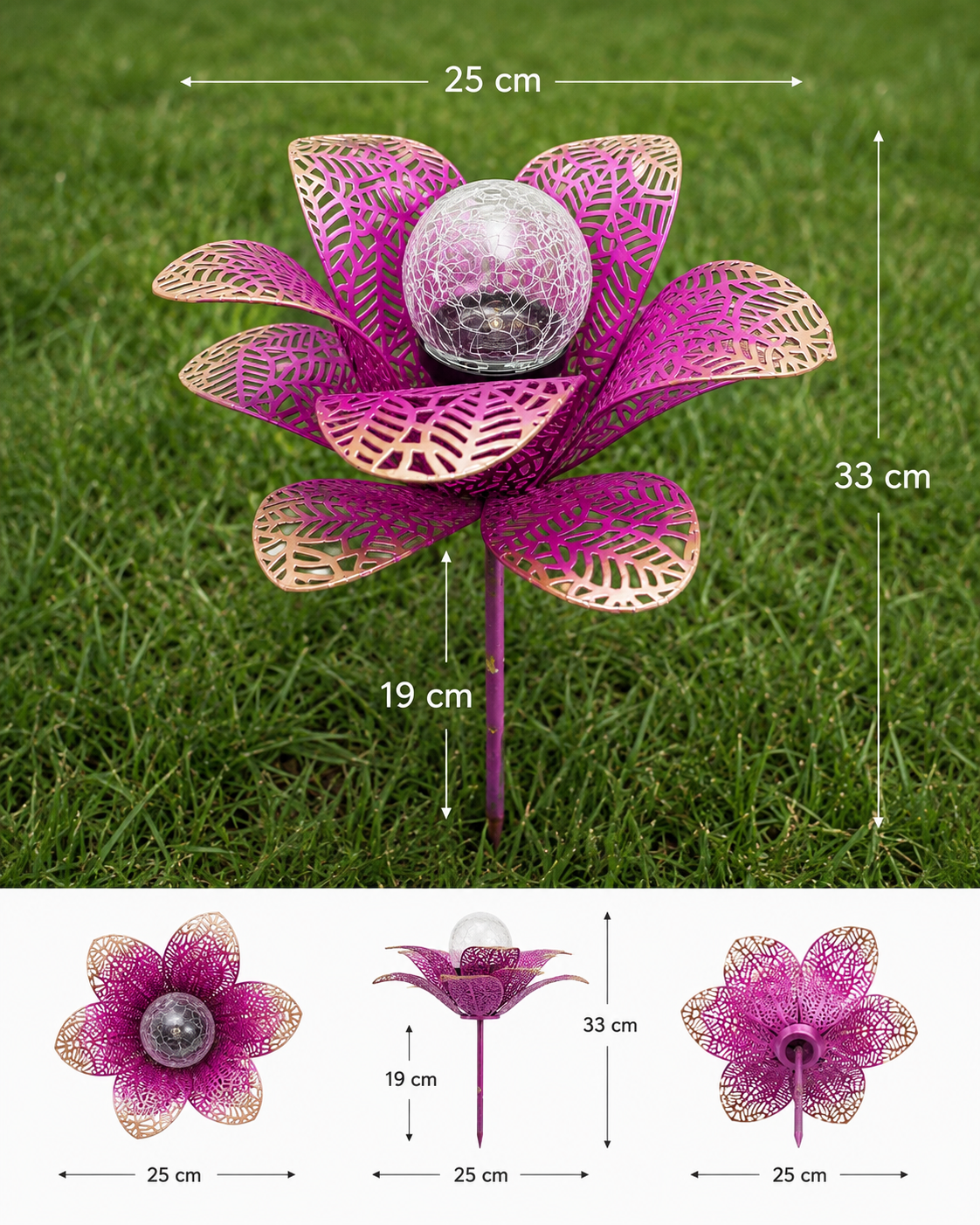
- Mounting: a spike for beds, a stable base for a terrace, or a hook for a branch.
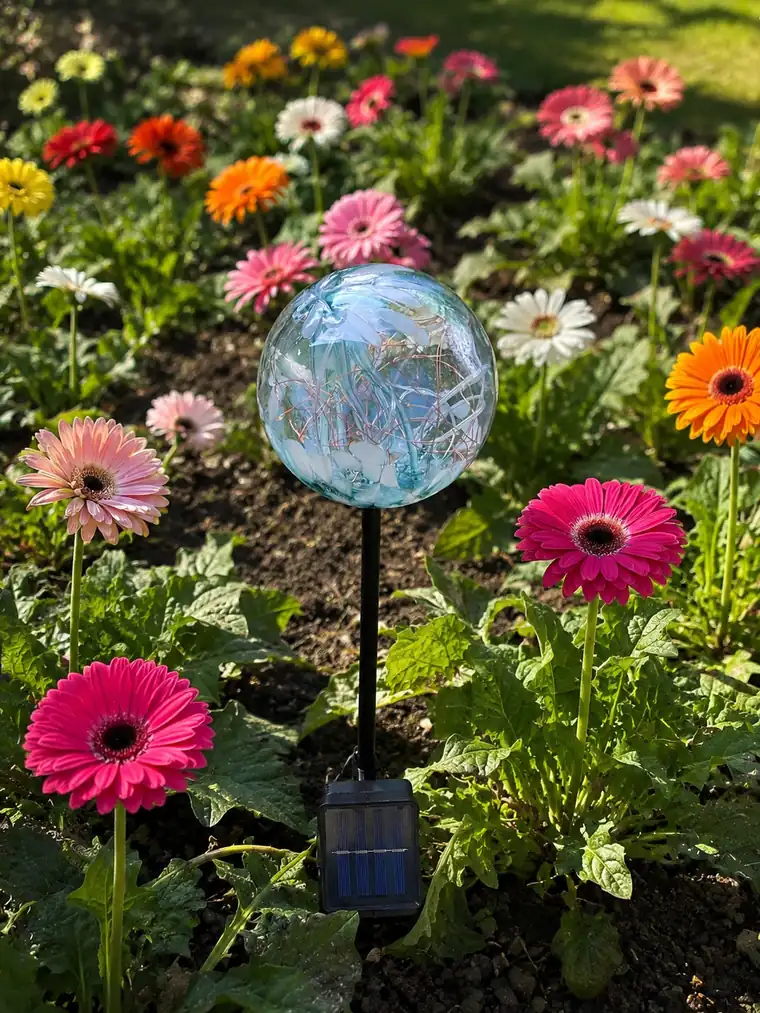
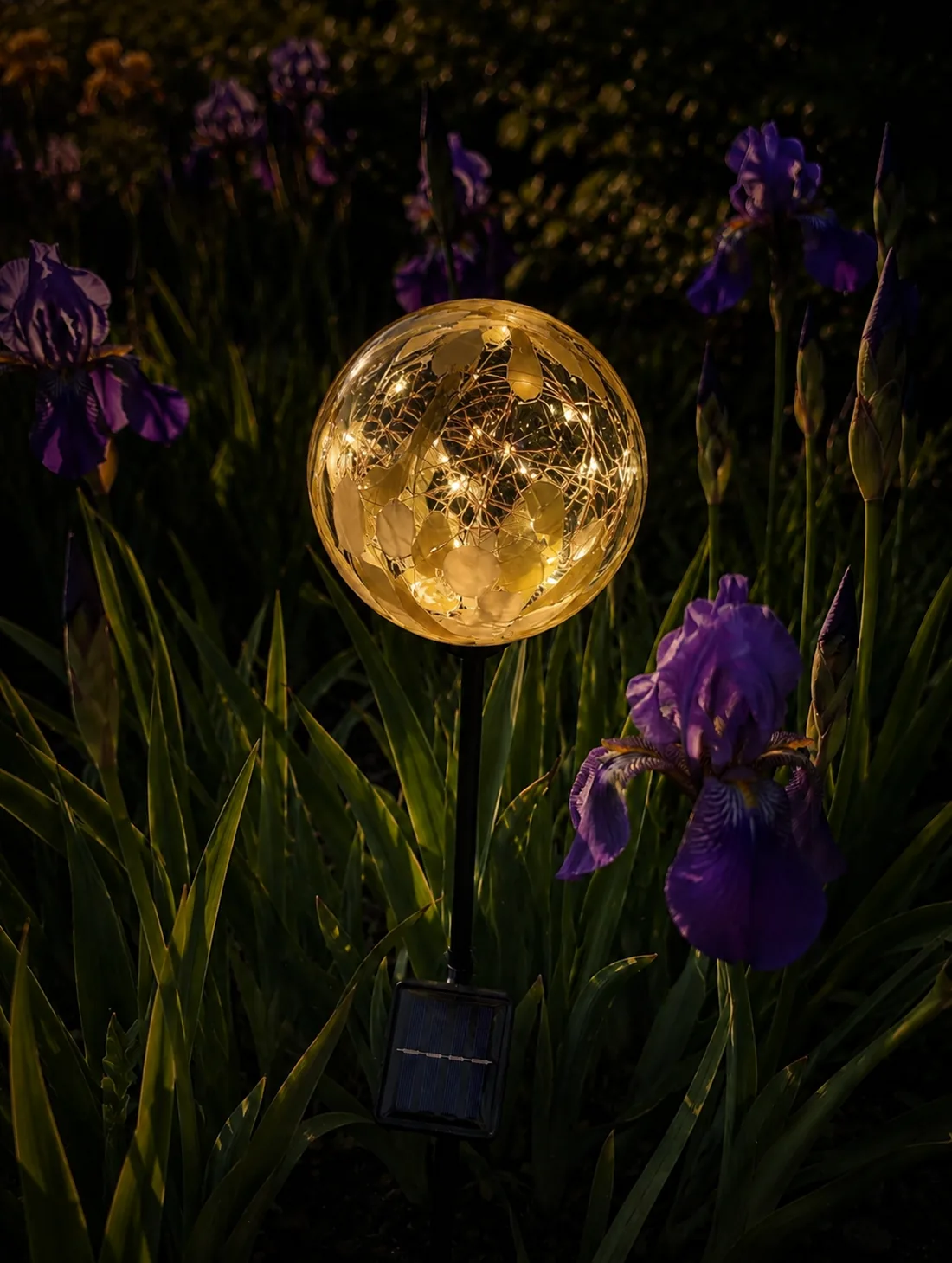
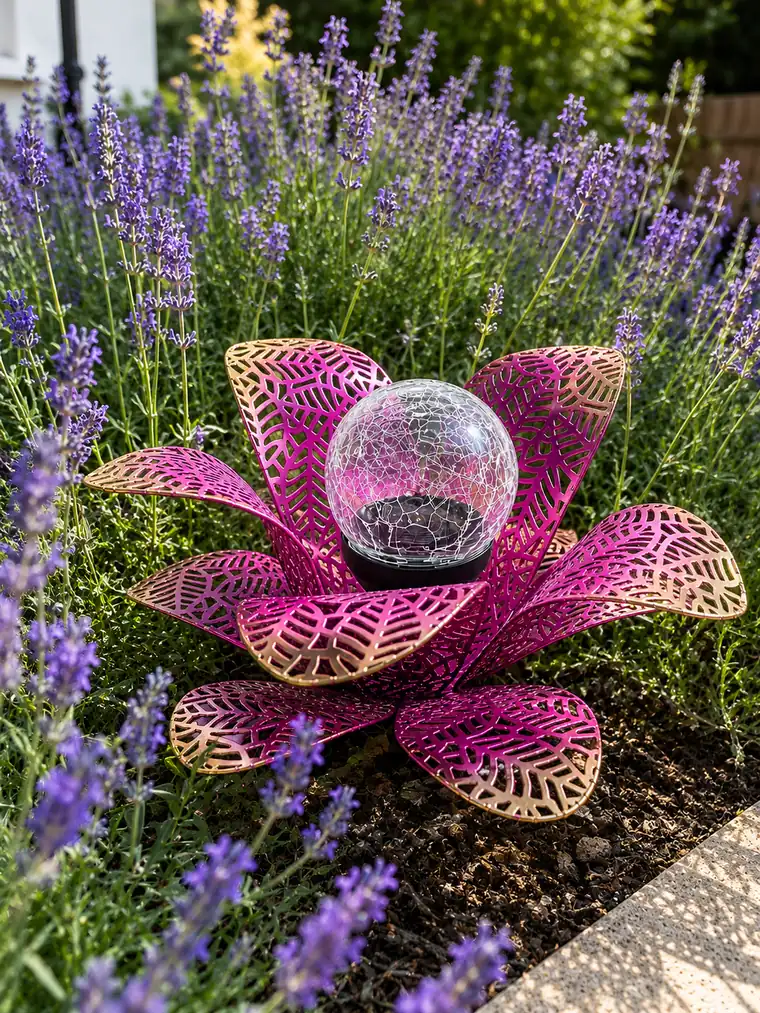
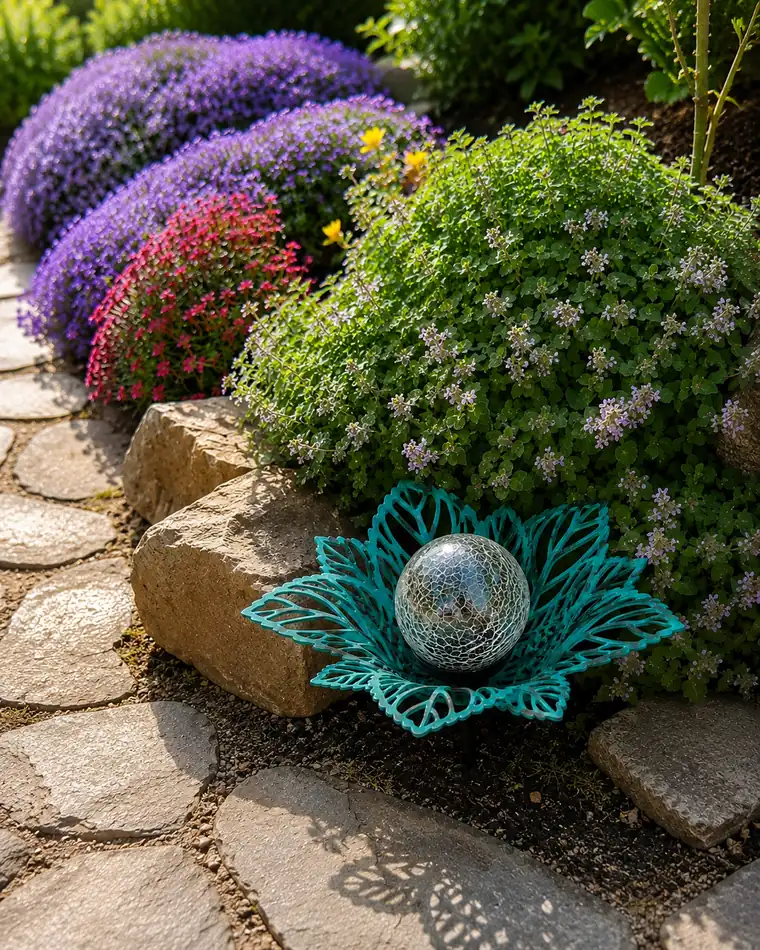
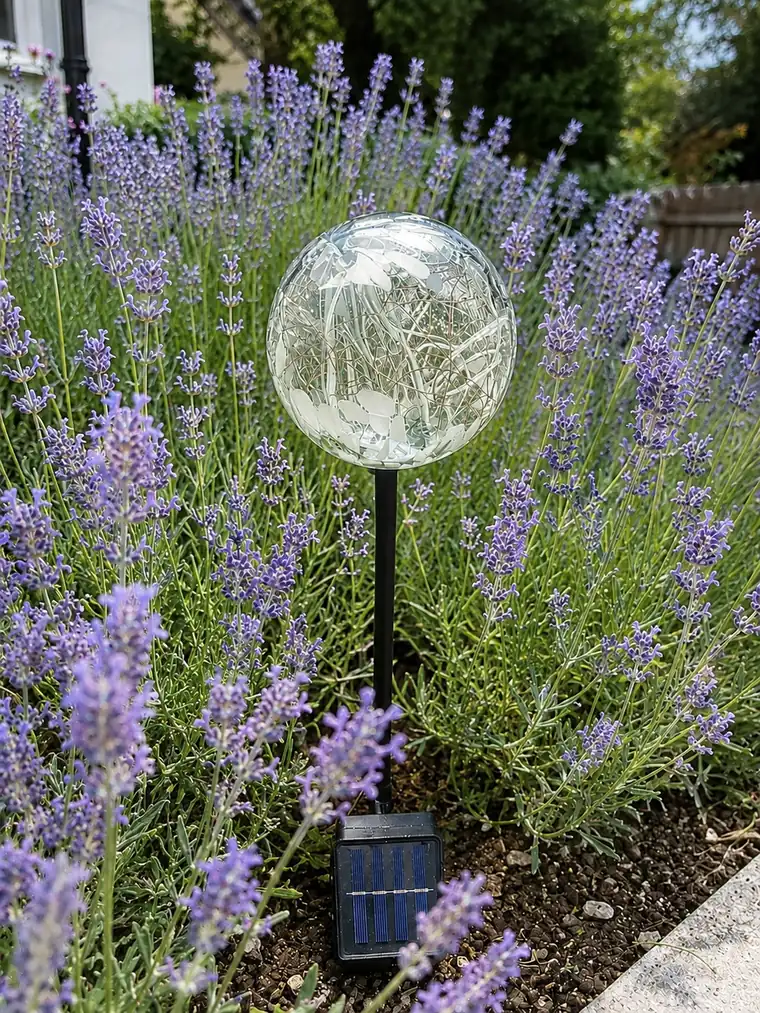
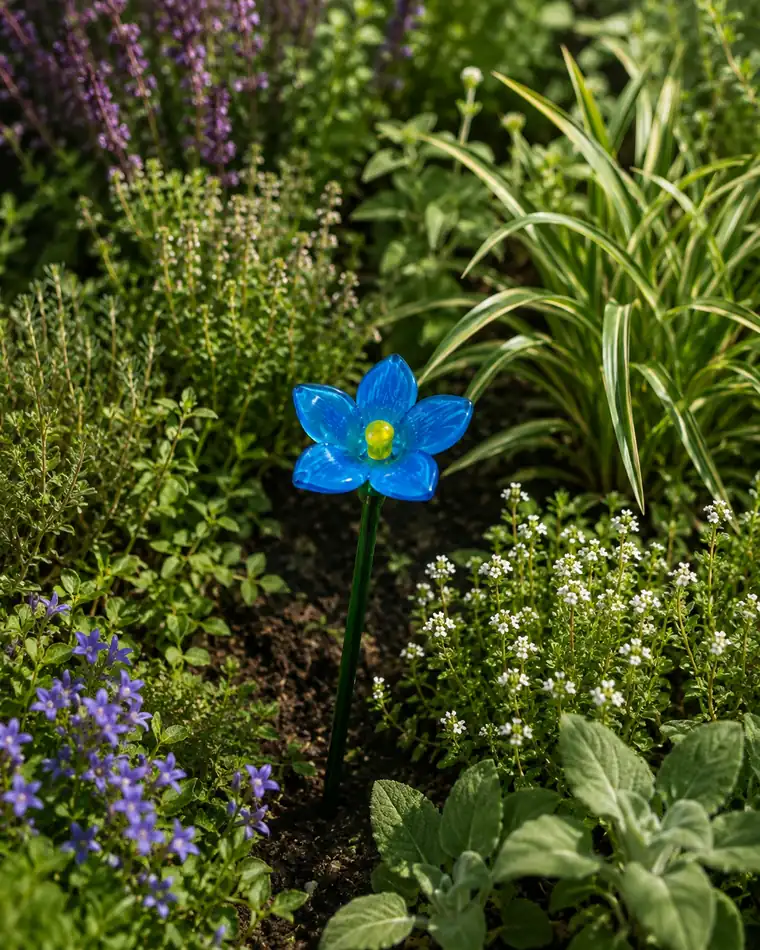
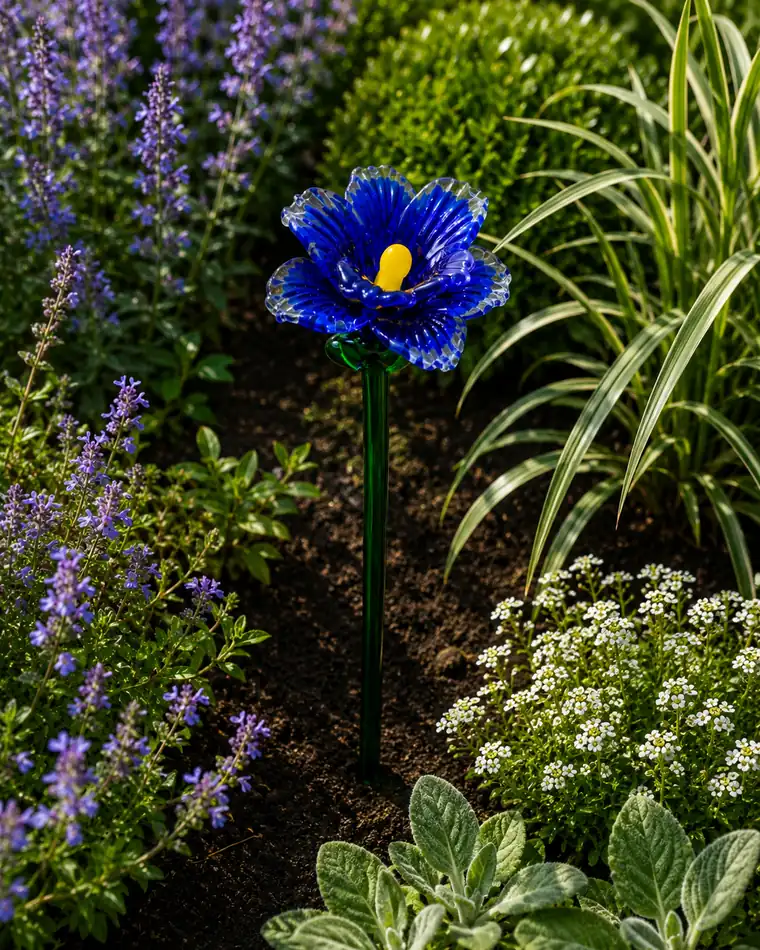
- Daytime looks: a good garden light should be an object worth seeing while switched off.
Where to place solar lights
One rule matters most: the panel must see the sky during the day. The usual mistake is hiding a lamp under a dense hedge or an overhanging roof — it never charges, and the evening looks like a fault when the lamp is perfectly fine.
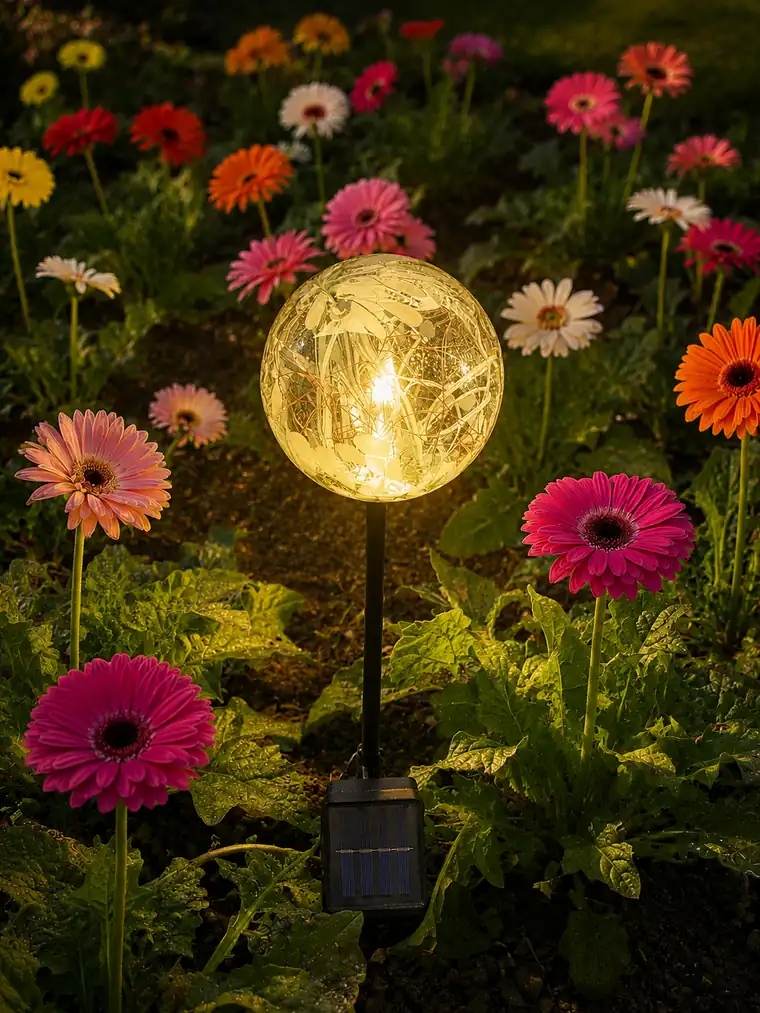
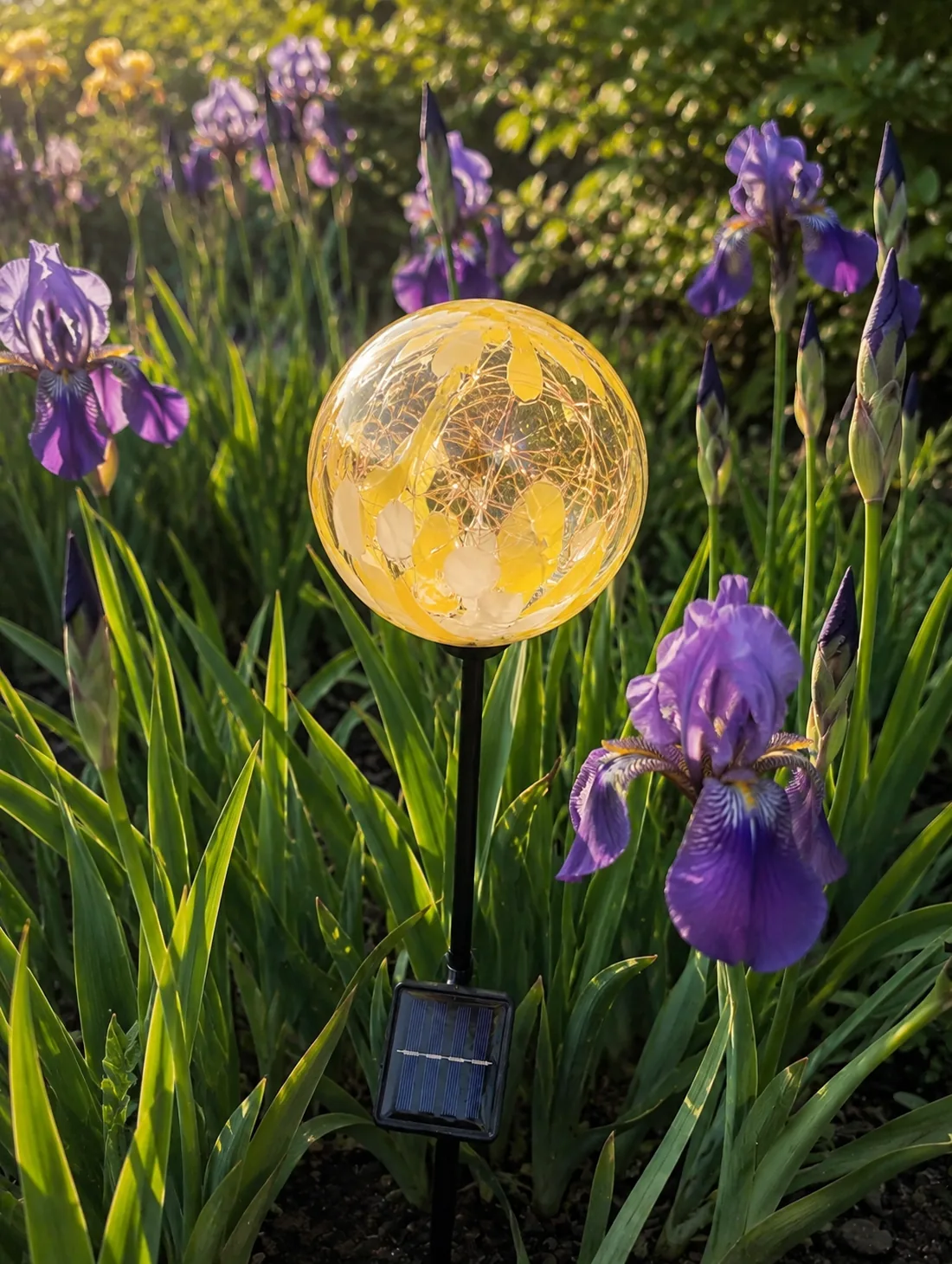
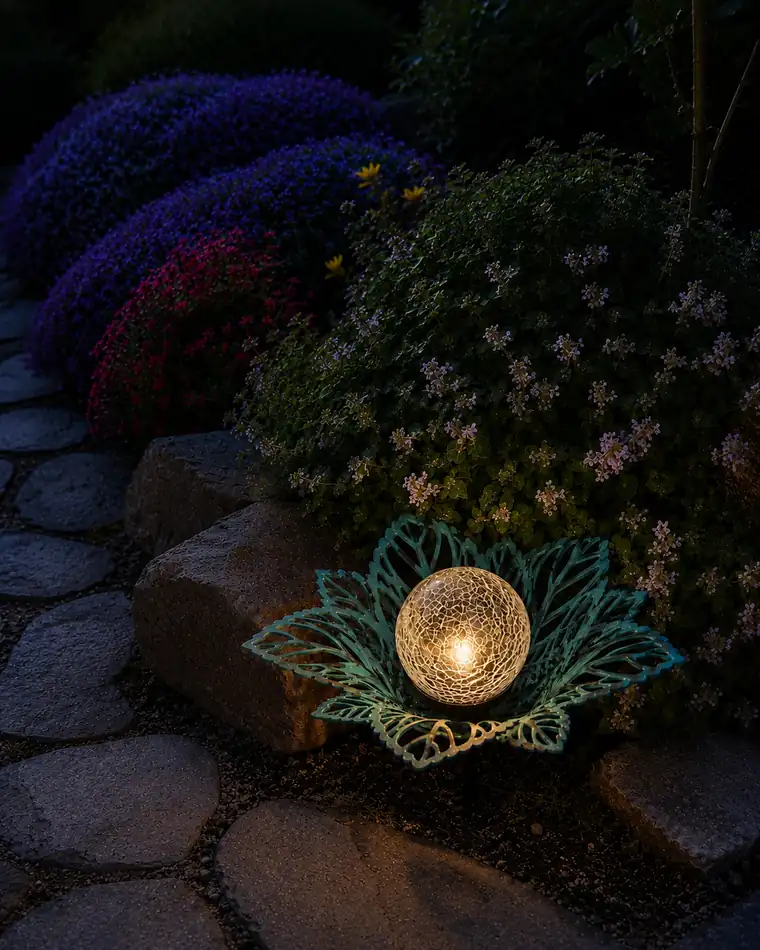
- Flower beds: light between plants creates depth and shadow.
- Paths and steps: lamps along one side, 1.5–2 m apart, are enough to guide you.
- Terraces and seating: several low lights beat one bright light from above.
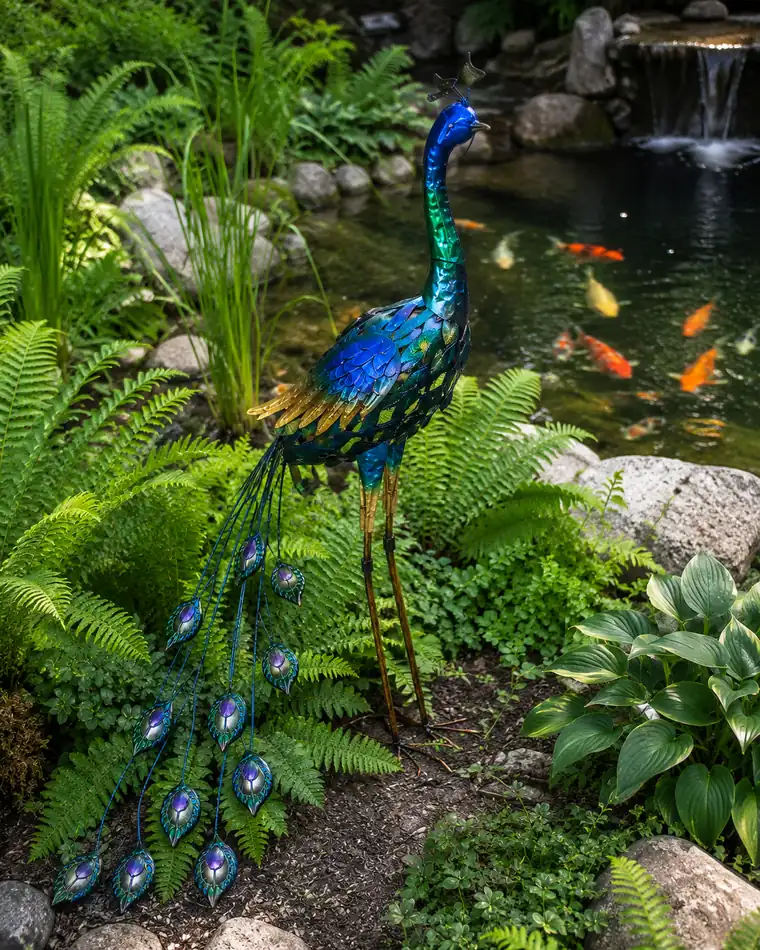
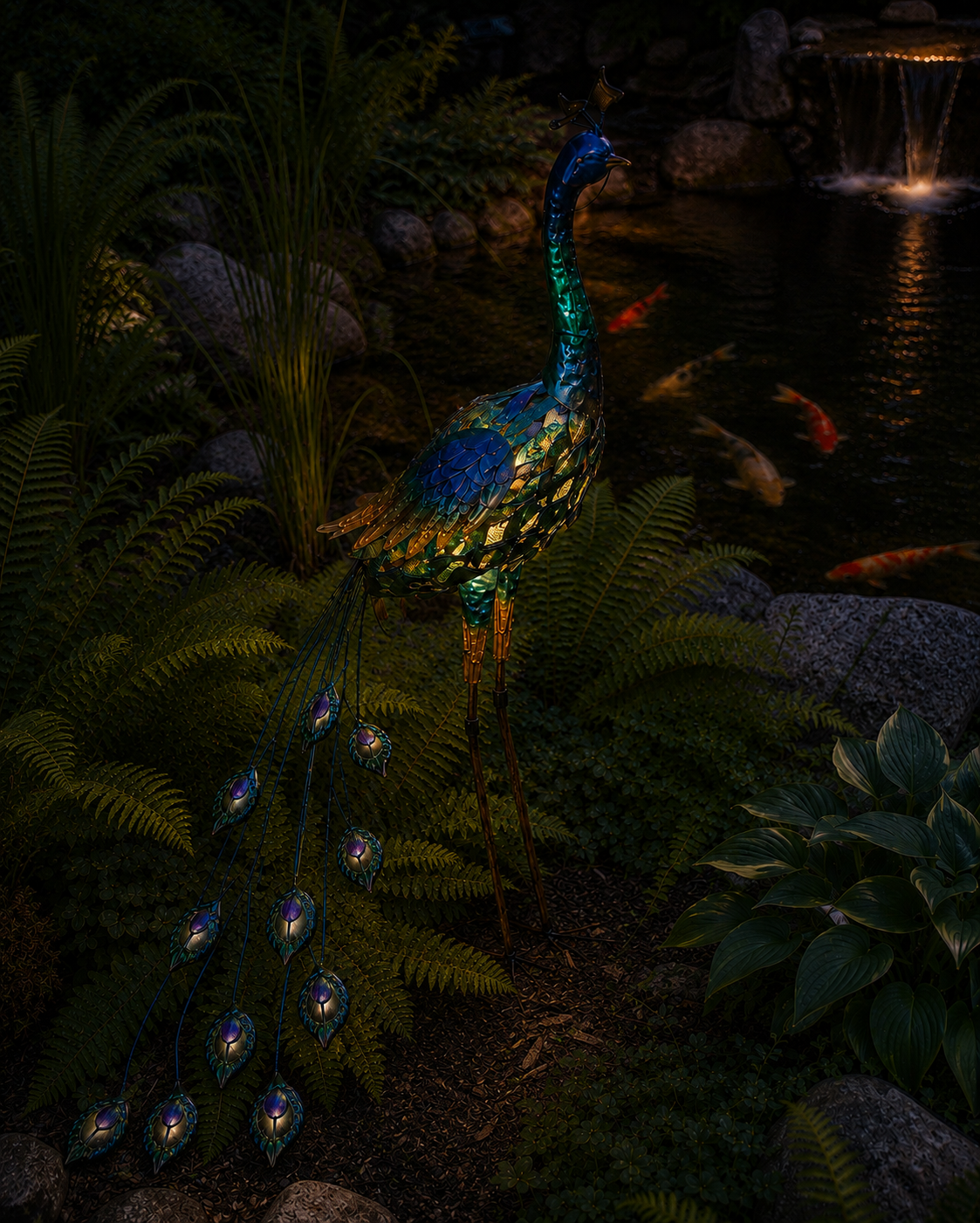
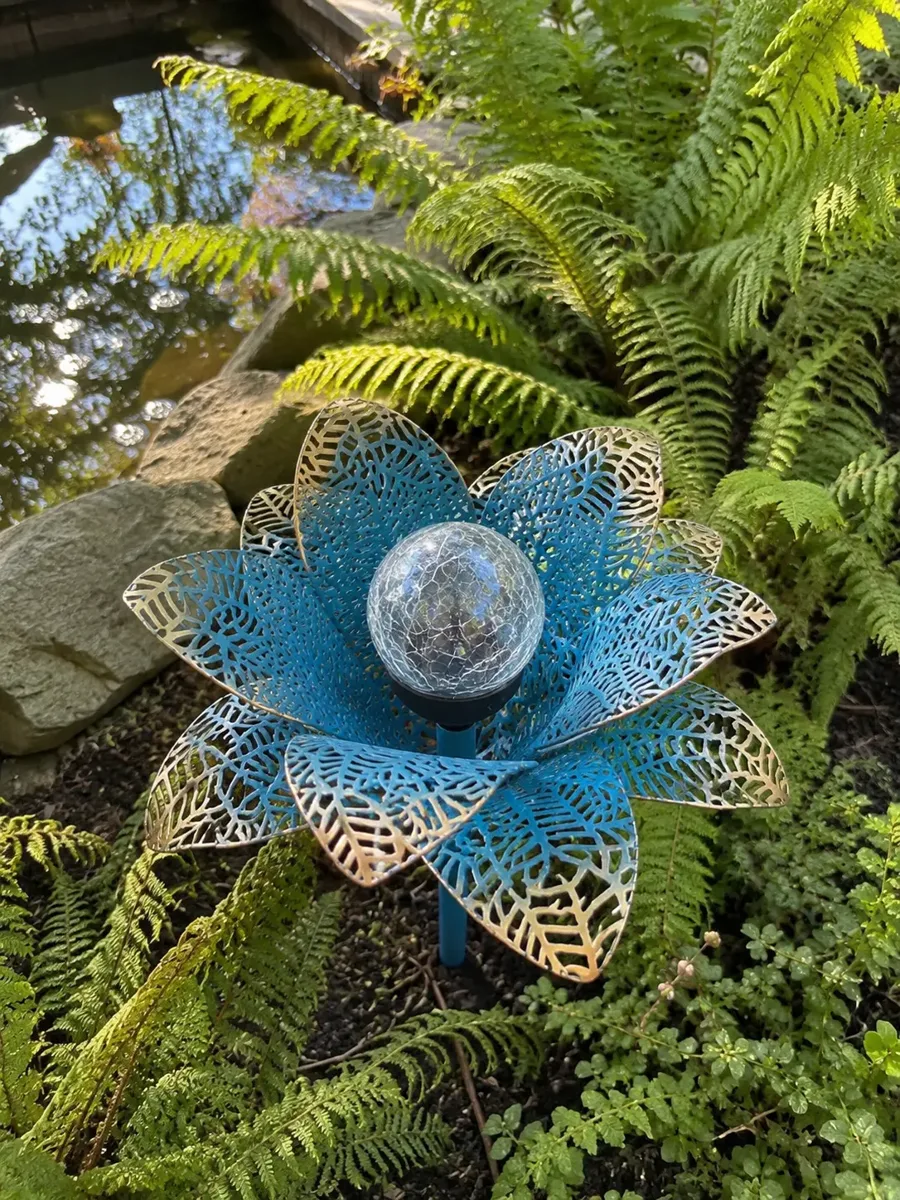
- Water: a lamp next to a pond doubles its effect through reflection.
- Entrance and gate: the first thing seen from the street — put your best piece here.
Care, winter and lifespan
- Wipe the panel every few weeks — dust and limescale can cut charging by a third.
- For winter, either leave the lamp outside (if it is rated and frost-proof) or store it with the battery charged.
- If run time drops, replace the battery first — it is the most common cause.
- Clean glass with lukewarm water and no harsh chemicals so it keeps its shine.
CULTUS garden glass solar lights
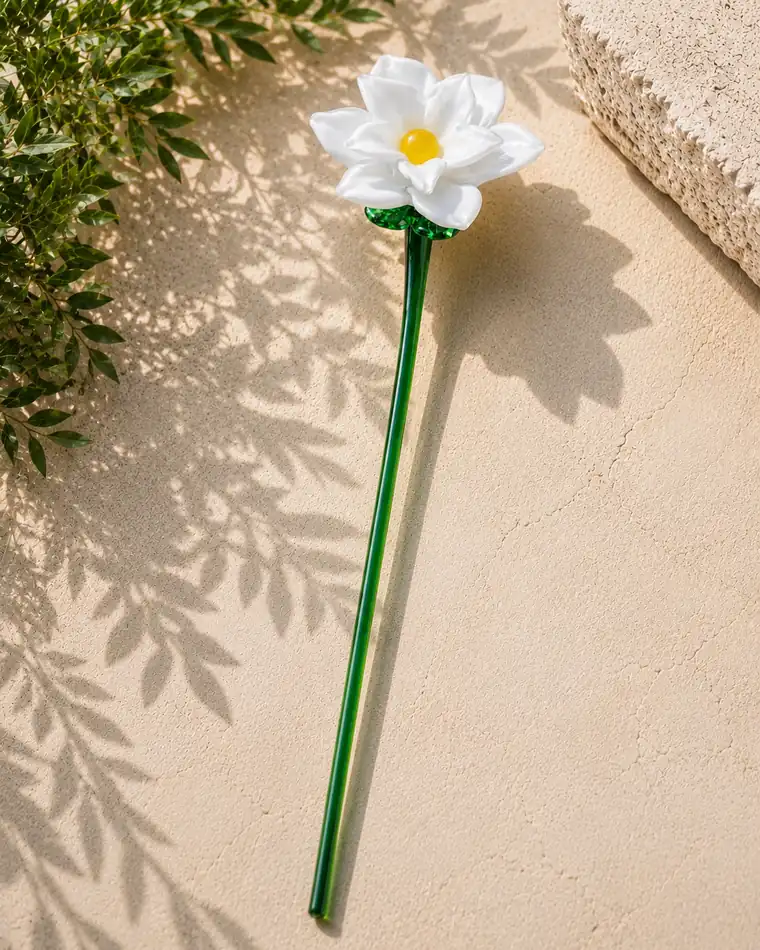
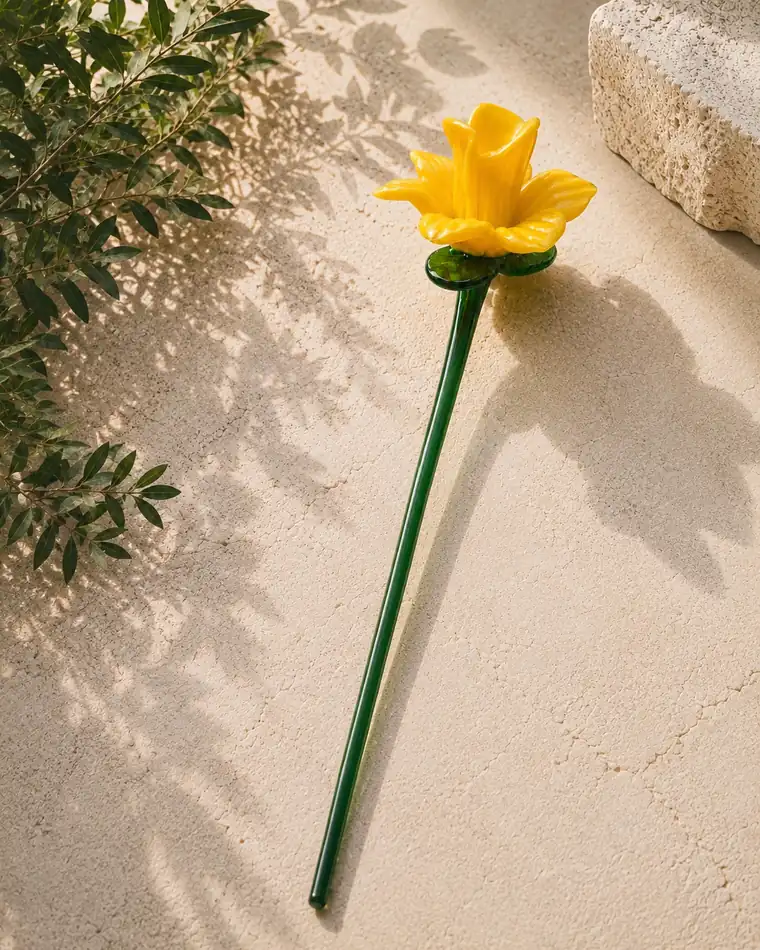
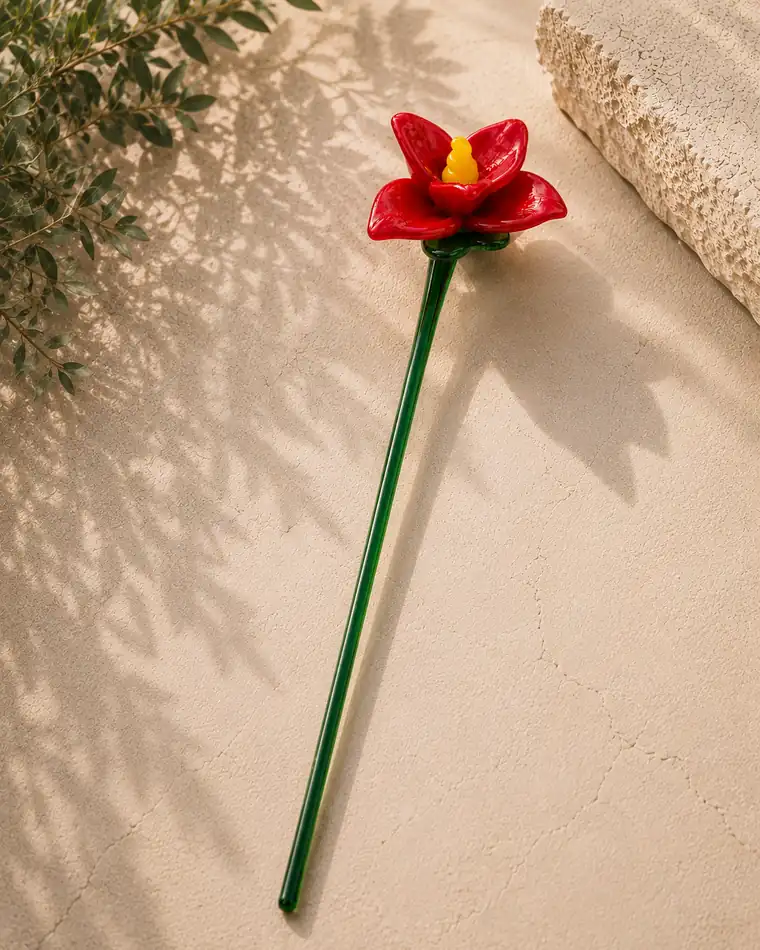
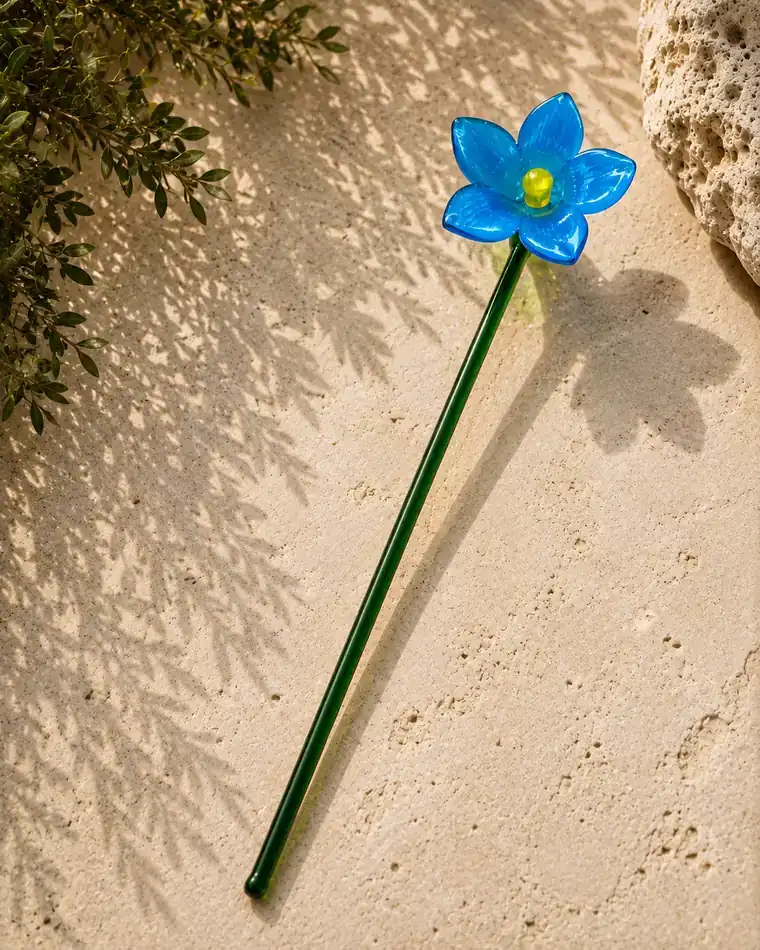
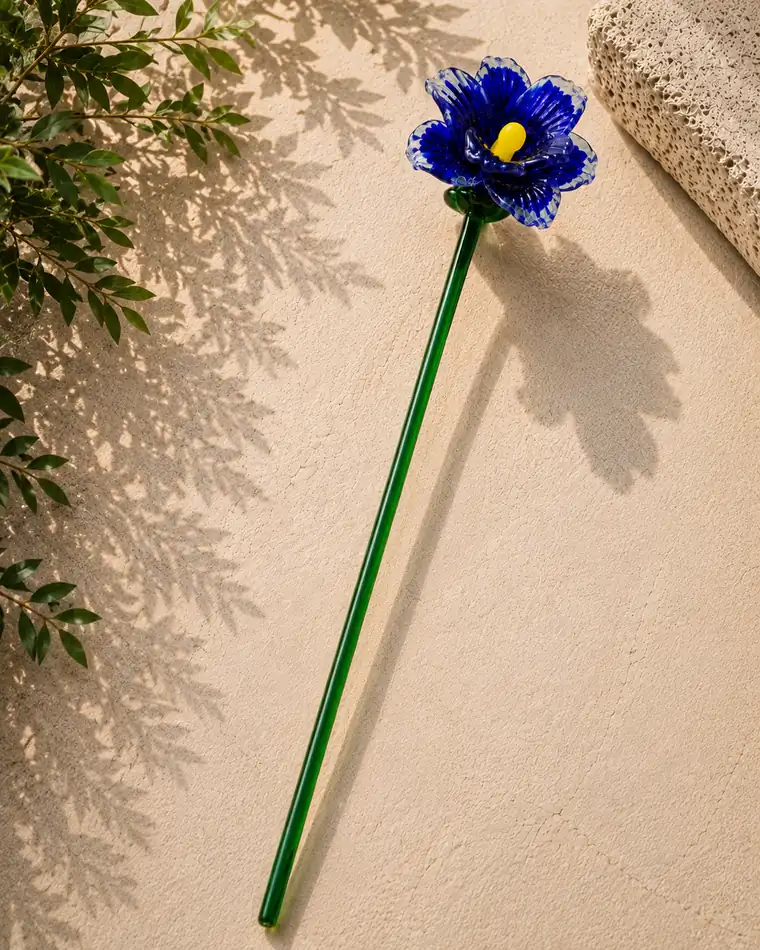
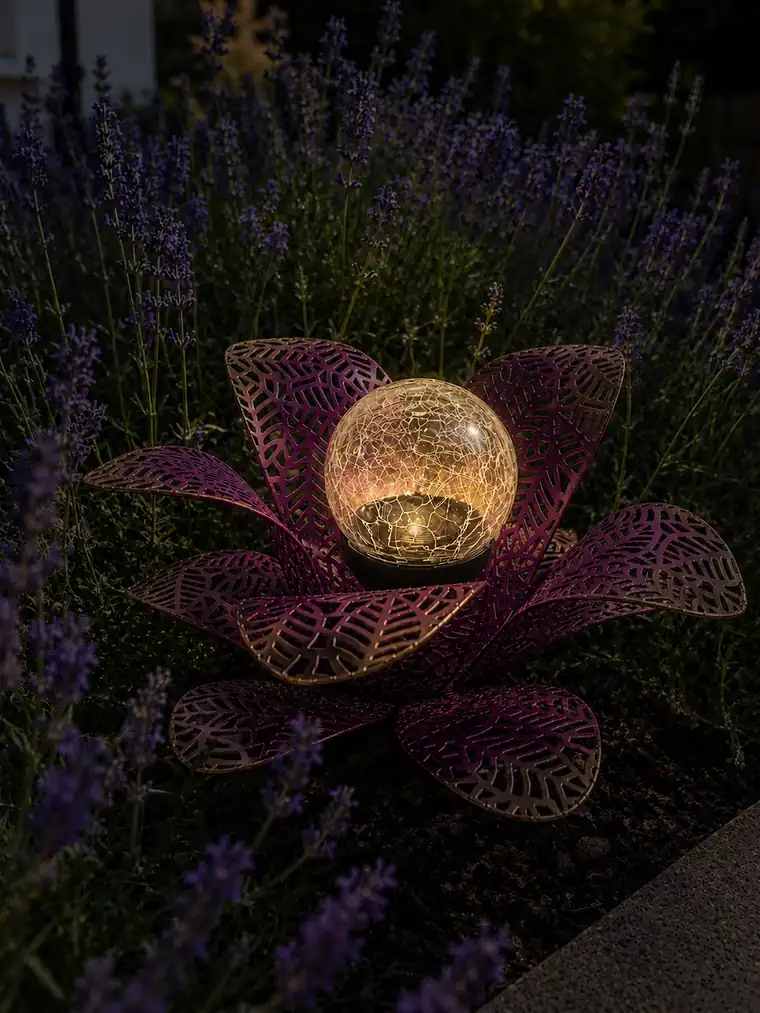
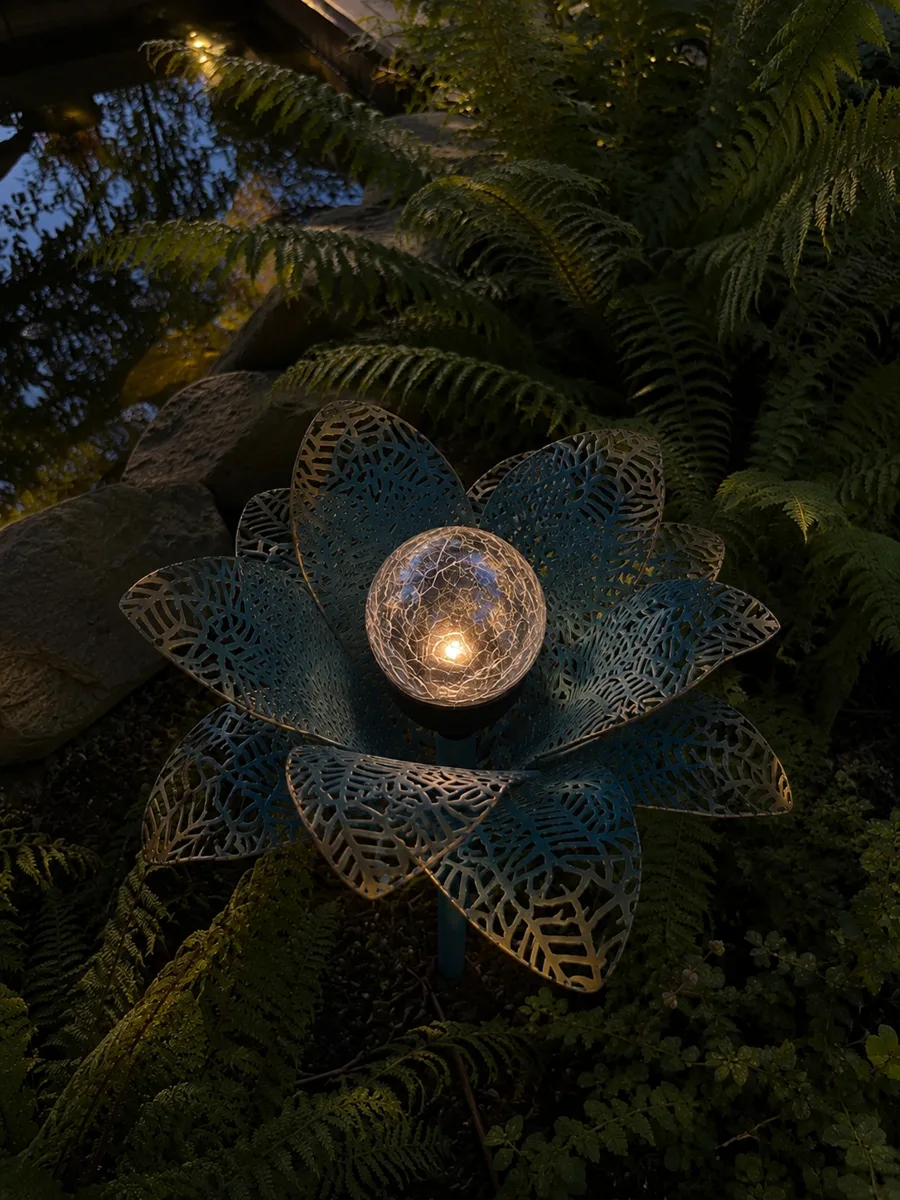
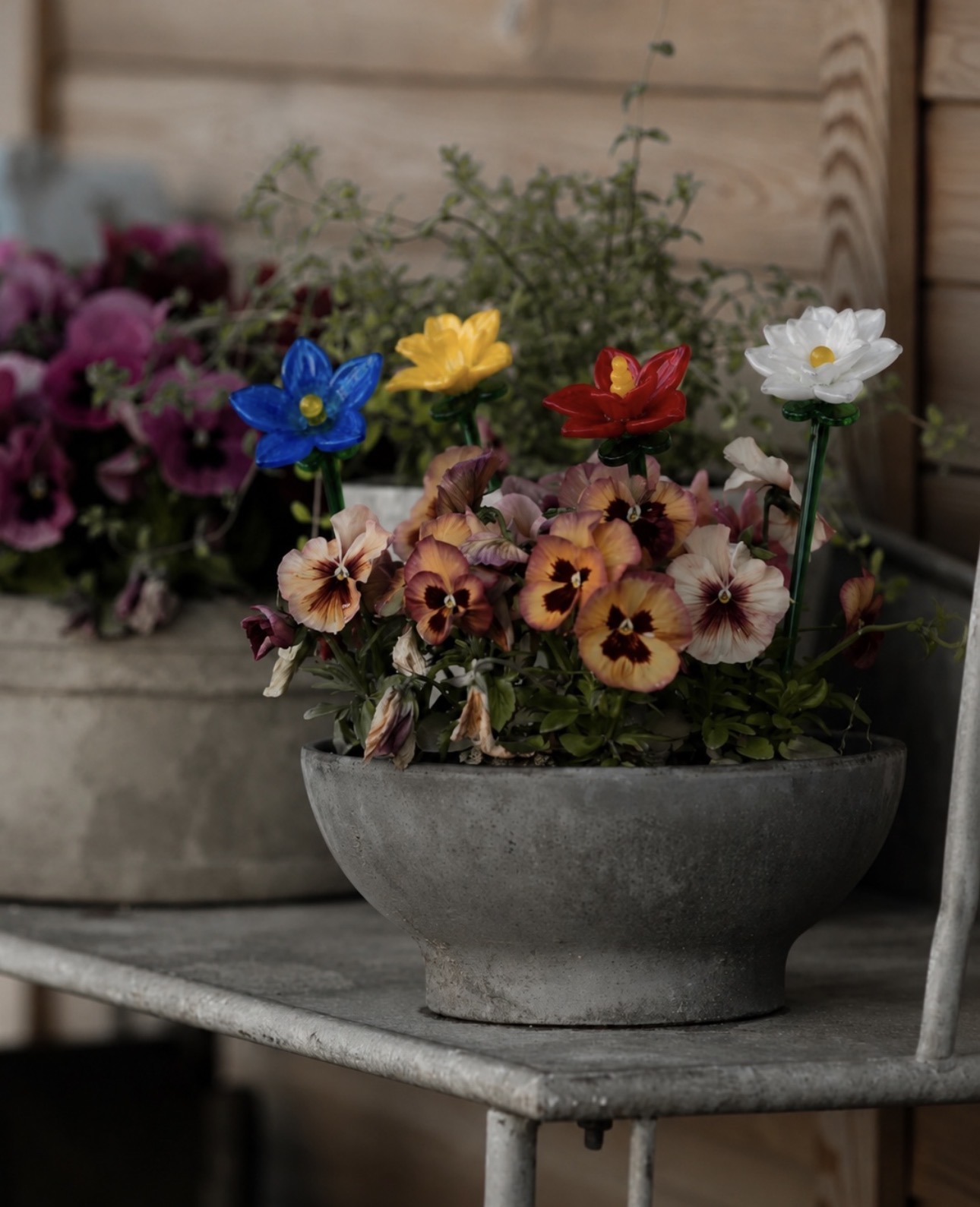
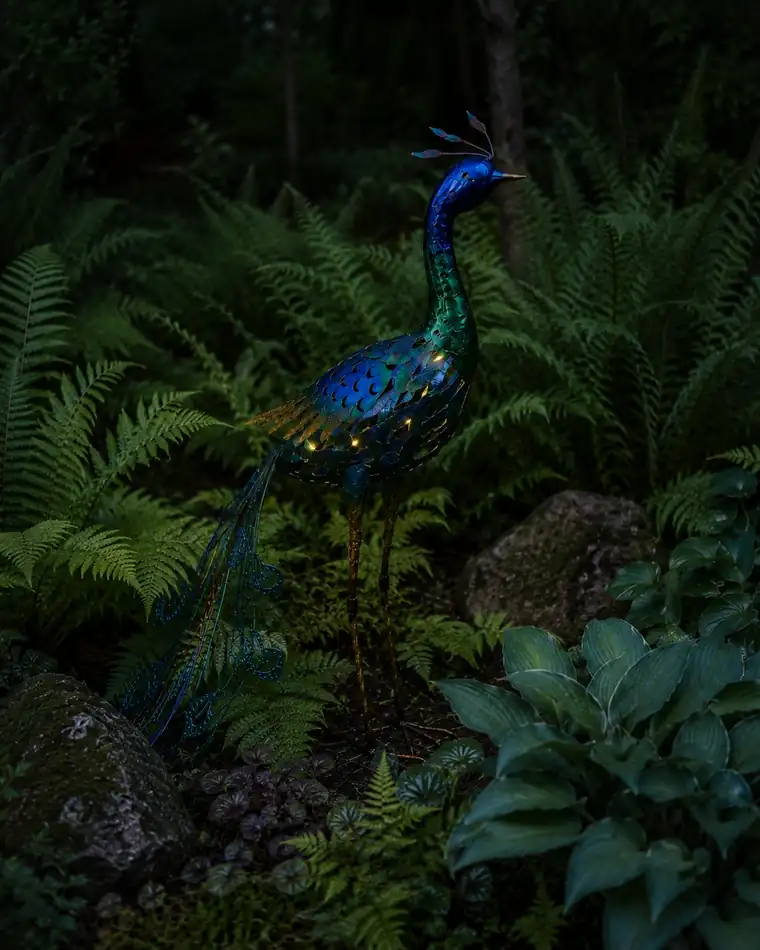
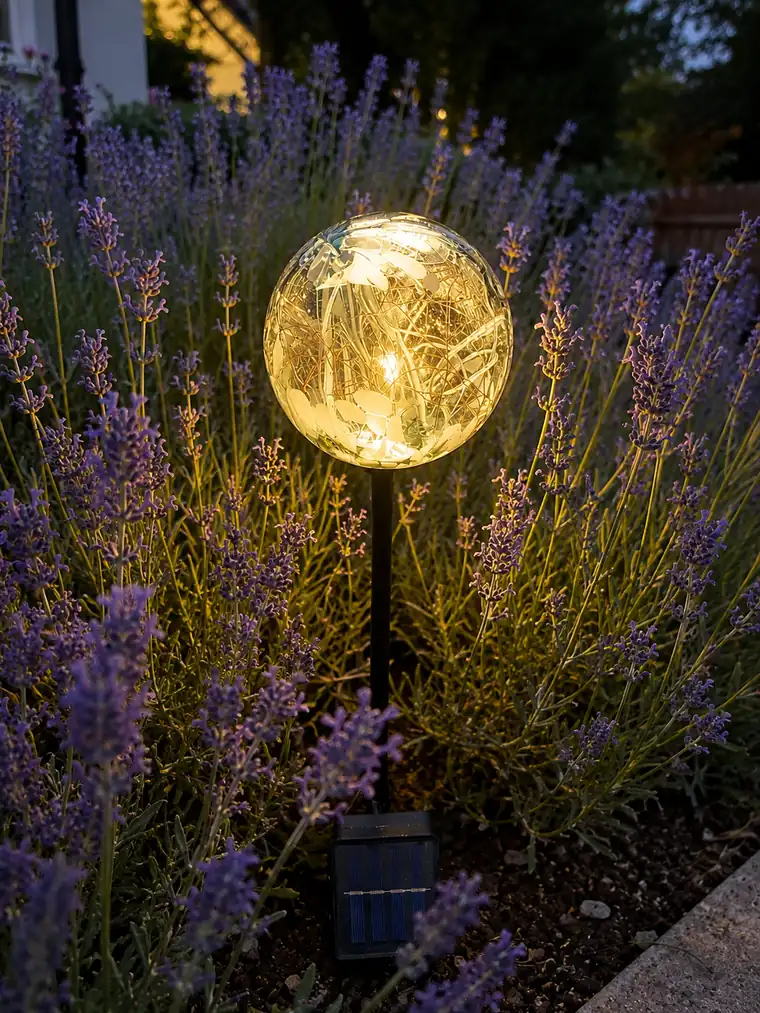
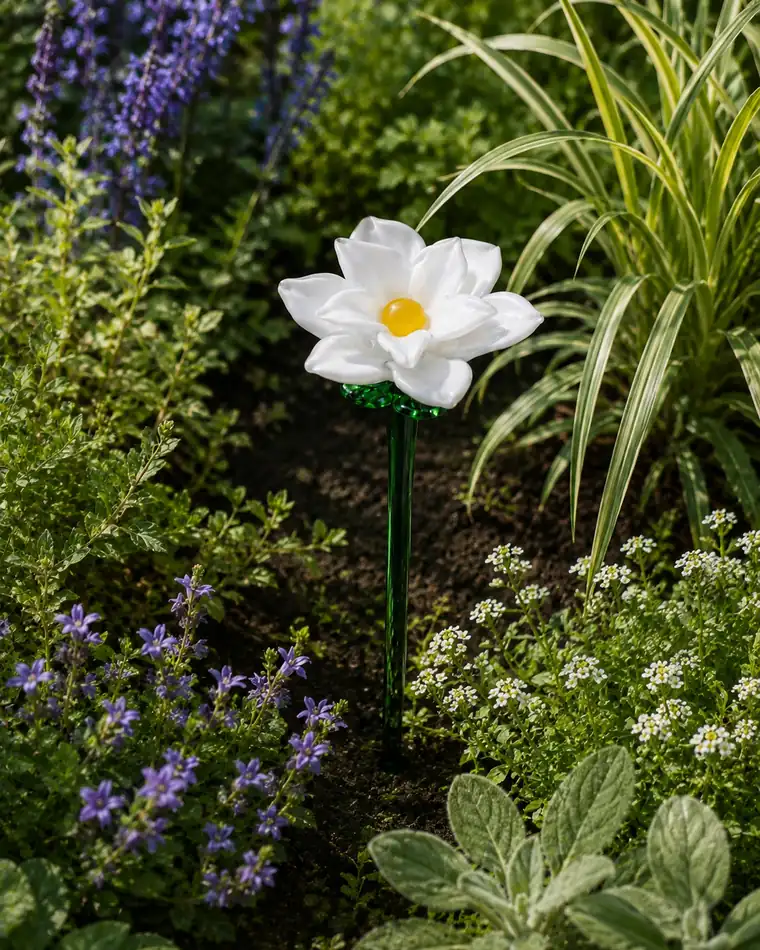
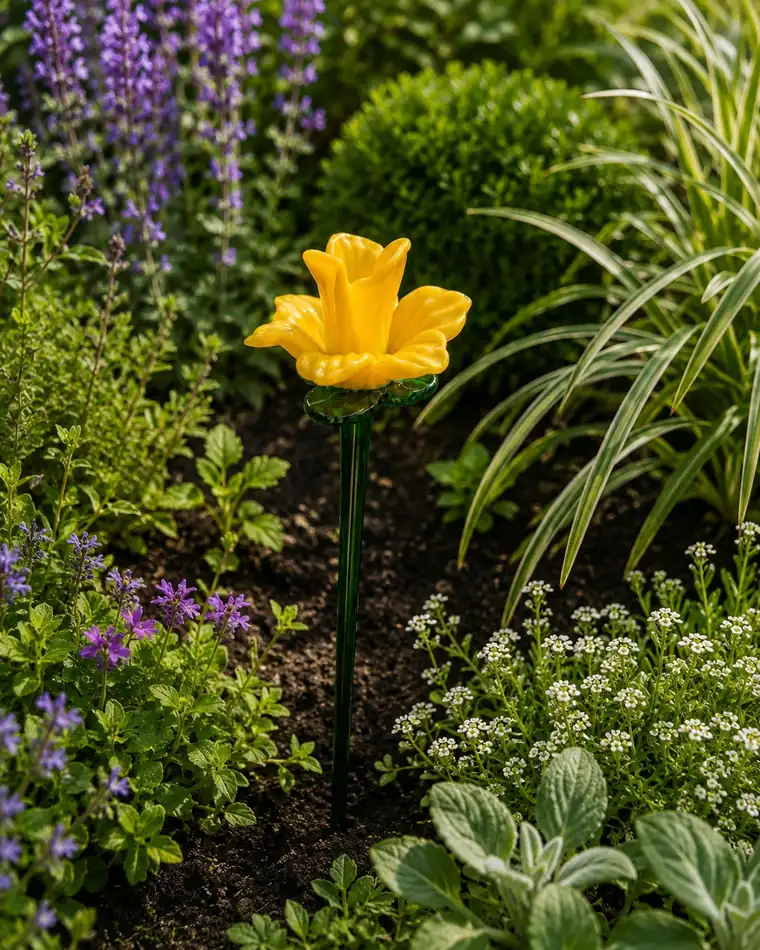
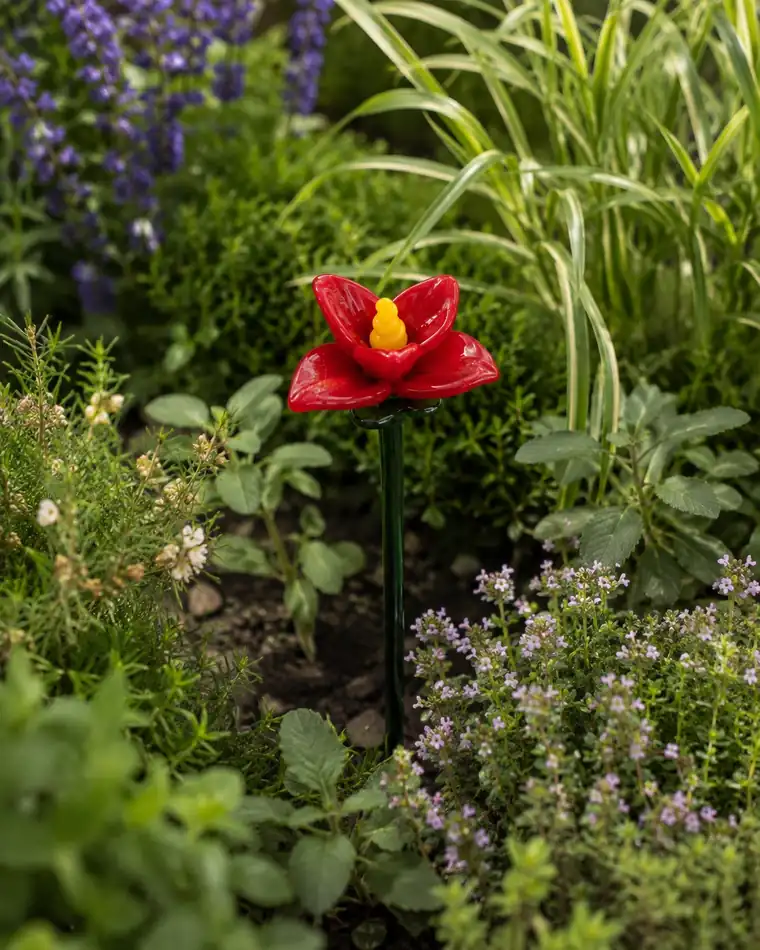
Our lights are handmade in Germany from coloured glass on a metal stem. By day they read as a glass flower in the bed, by night they wash the surroundings in warm light. The glass is frost-proof, the battery is replaceable and every model pushes straight into the soil.
Frequently asked questions
How long does a solar light stay on?
After a full summer charge it can run all evening or all night. In winter, with short days and a low sun, expect 2–4 hours.
Do solar lights work in winter and frost?
Yes, as long as the materials are frost-proof and water-rated. Run time is shorter because the panel collects less energy. Our glass lights stay outside through winter.
Does the lamp need direct sunlight?
Not direct sun, but the panel needs a view of the sky. Aim for 4–6 hours of daylight; deep shade under a roof or dense planting will not charge it.
Can the battery be replaced?
In a quality light, yes — and it is the most common repair. Rechargeable batteries last roughly 2–3 years, then a new cell replaces the whole lamp.
Do solar lights make a good gift?
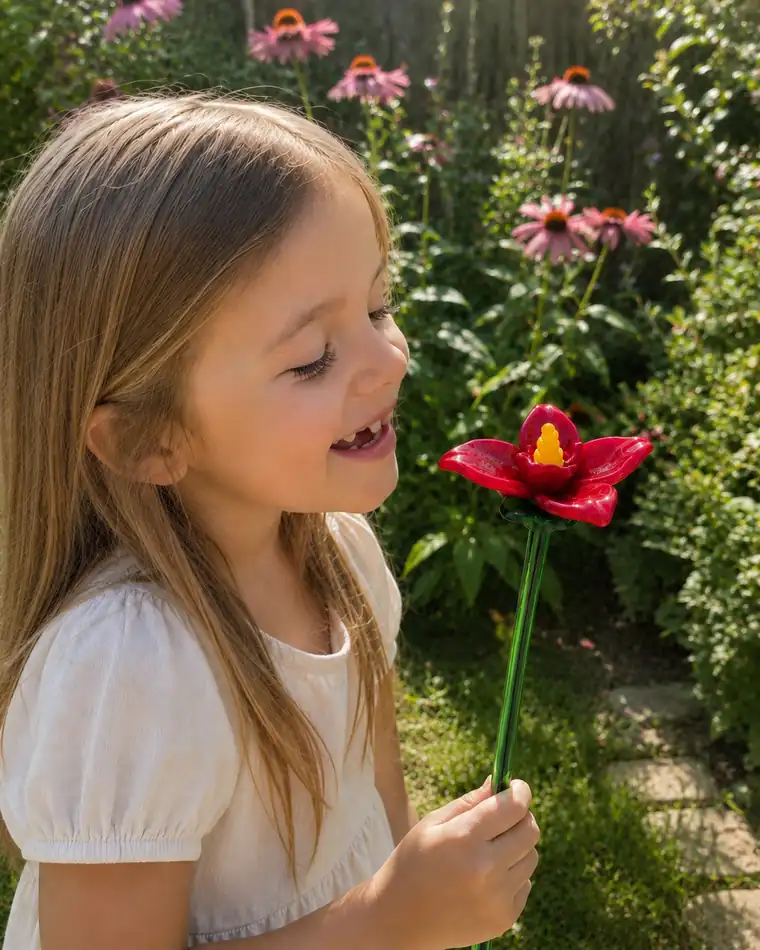
They do — decorative, useful and nothing to install. Glass flowers are the most popular choice in our shop.
Choose your glass solar light
Every model is handmade in Germany. Shipping is calculated at checkout.