Home › Notes from the garden
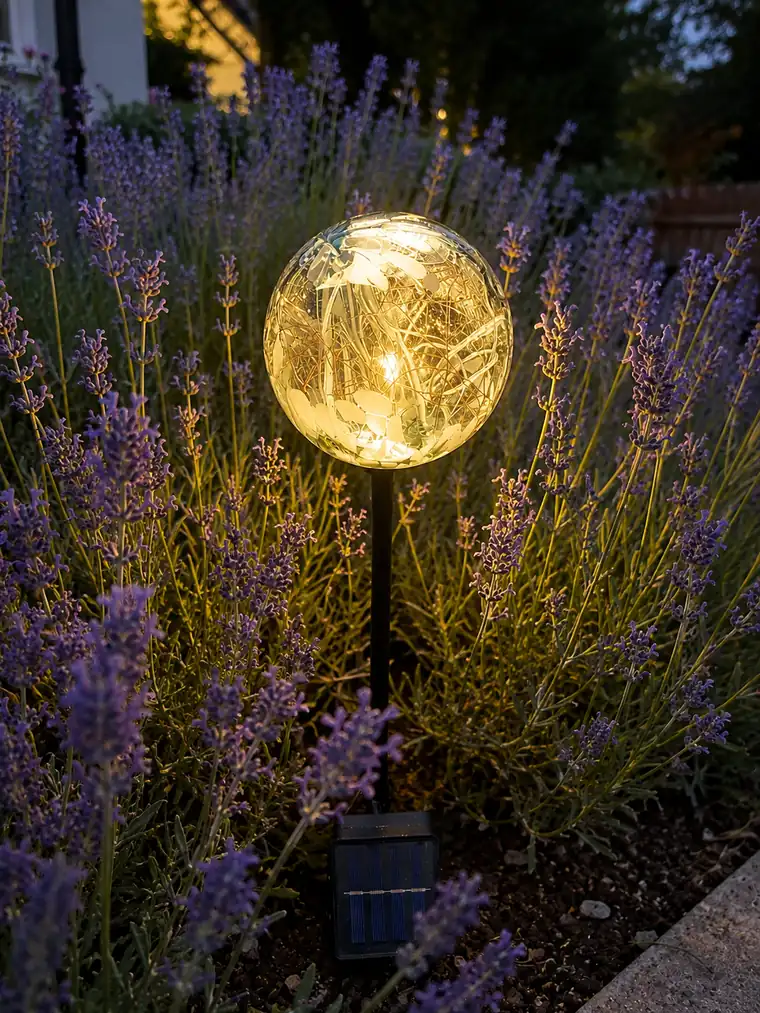
A flower bed that comes alive after dusk
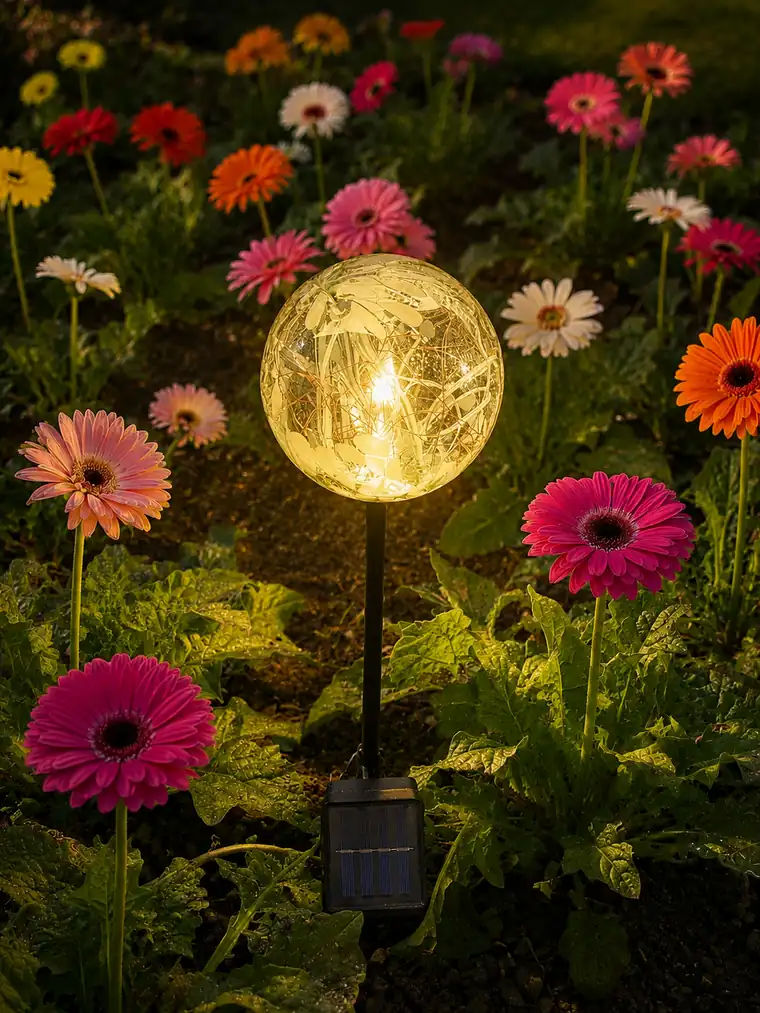
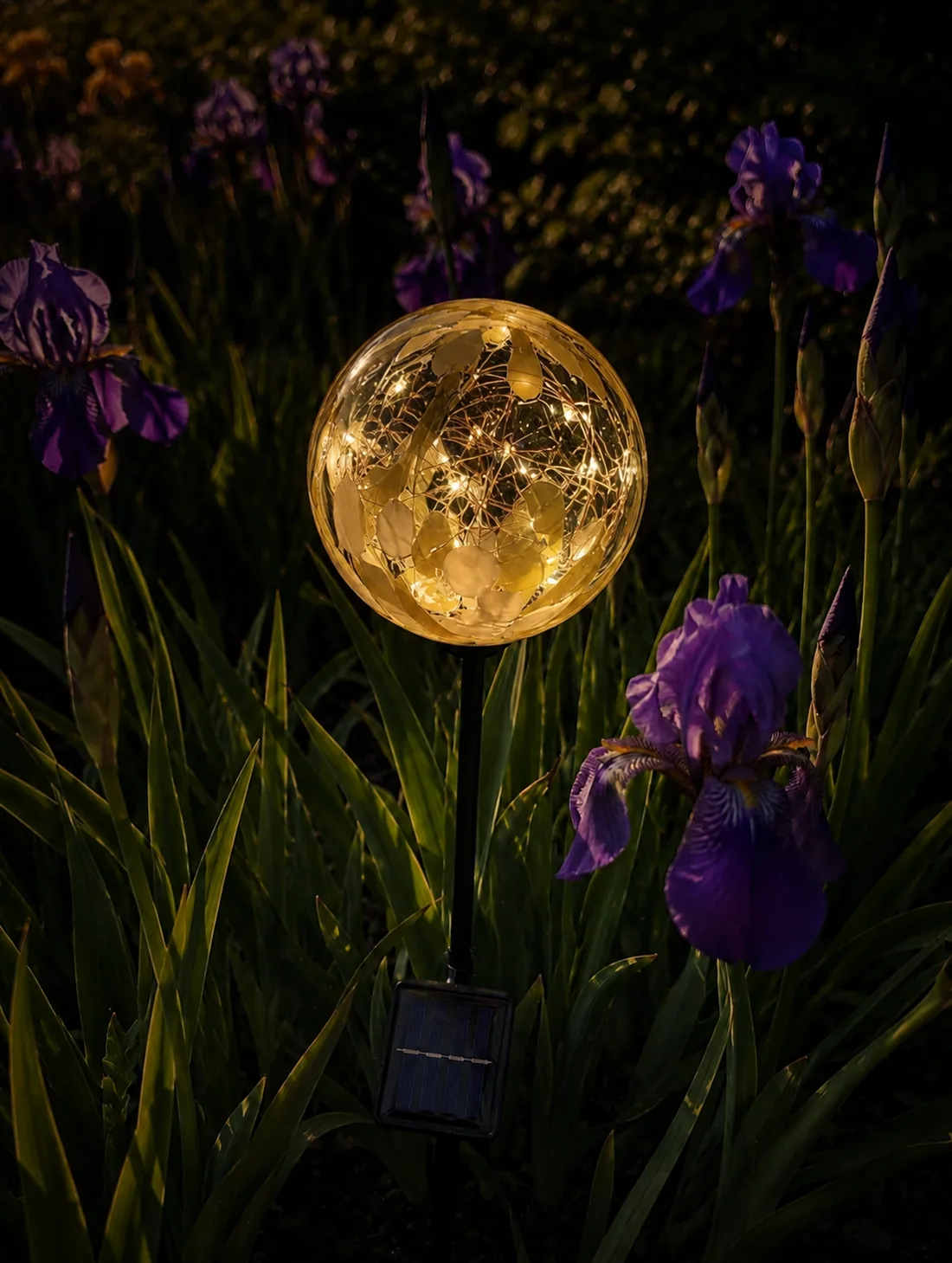
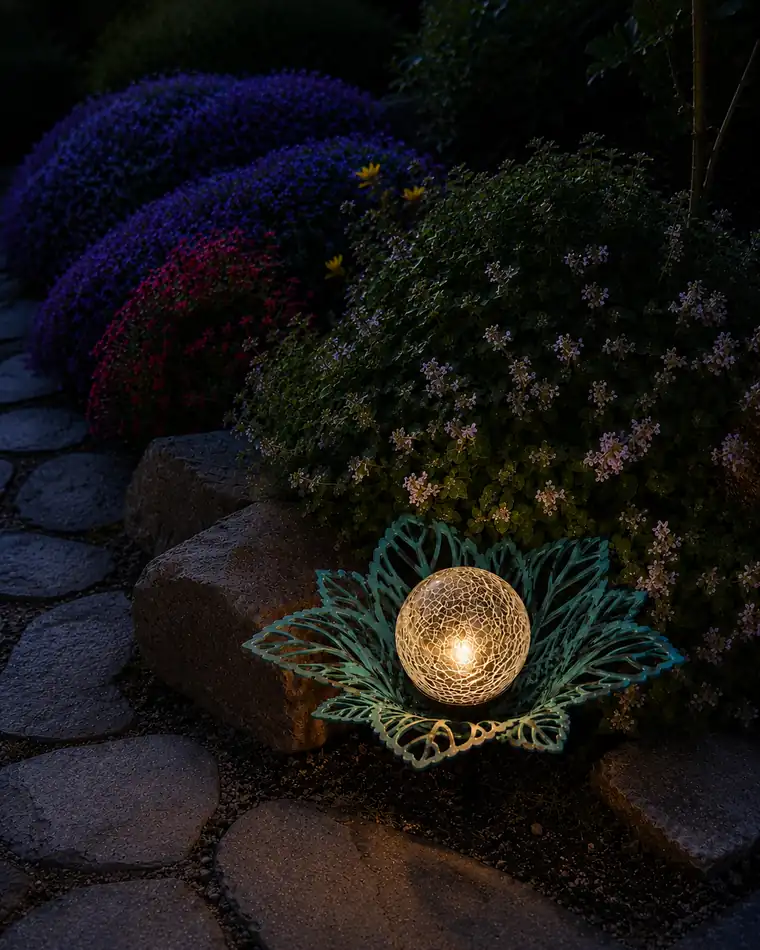
Most gardens end at sunset. Full of colour by day, gone in the dark by evening — a shame, because dusk is when a garden takes on a completely different mood. A few well-placed solar lights are enough. No cables, no electrician, no drilling. Here are three rules that make the real difference.
Updated 18 August 2026
1. One bright light is not enough — spread them out
The usual mistake is one light in the middle of the bed, waiting for magic. The result is a bright dot in the dark, with the rest of the garden still black.
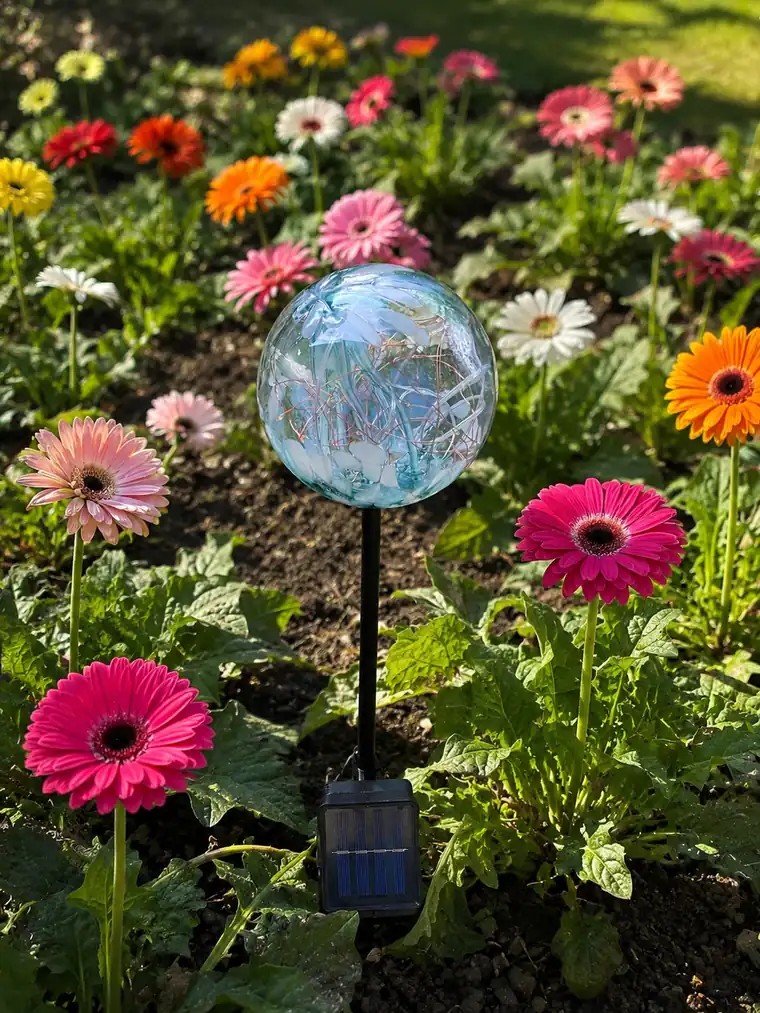
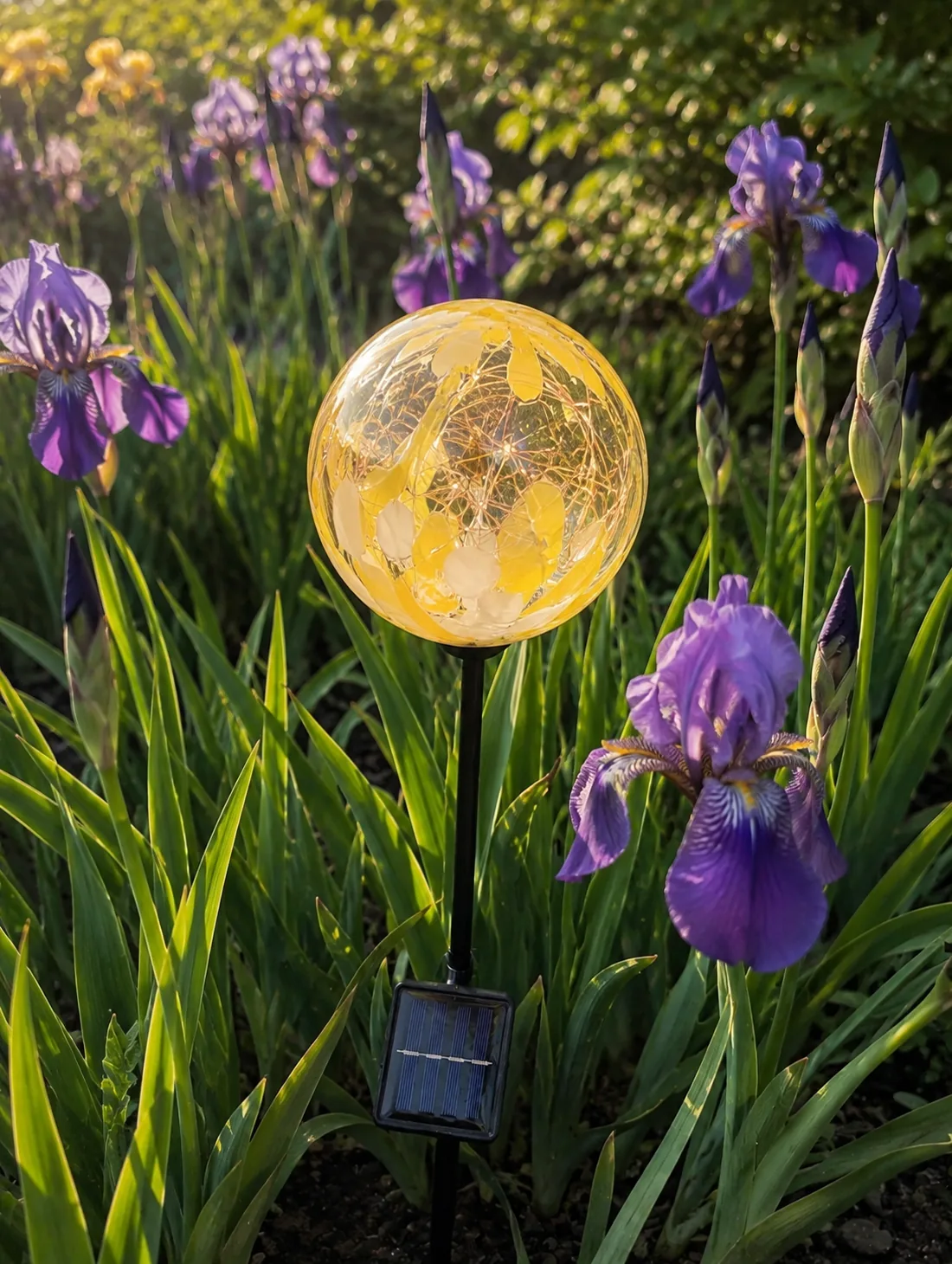
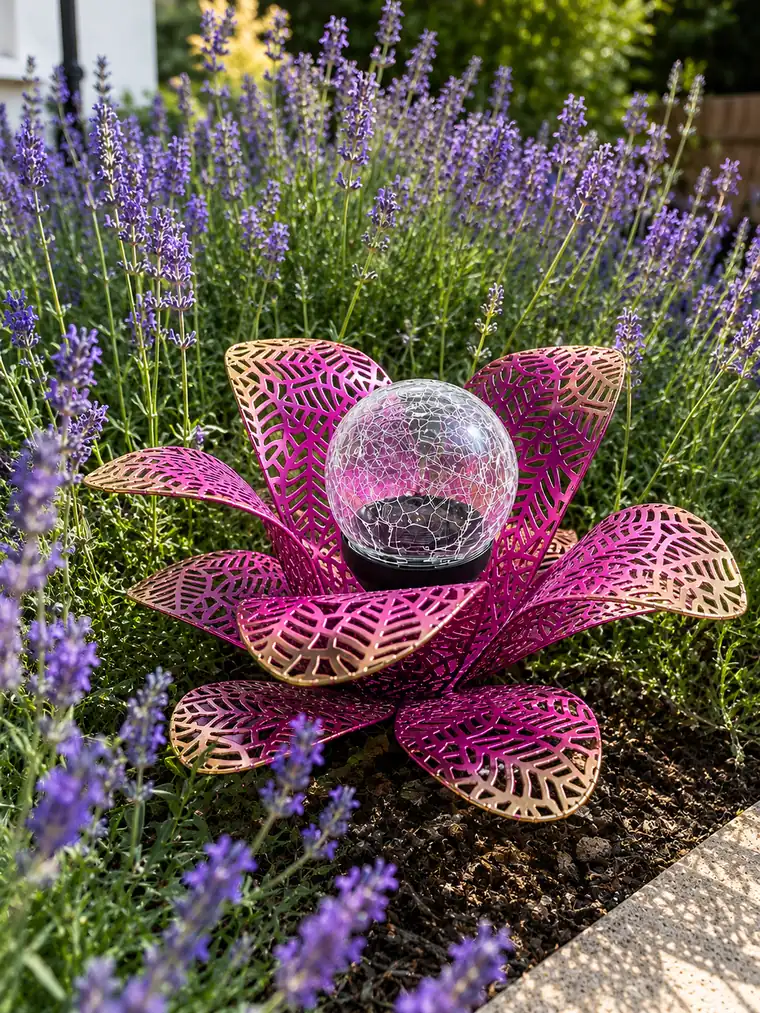
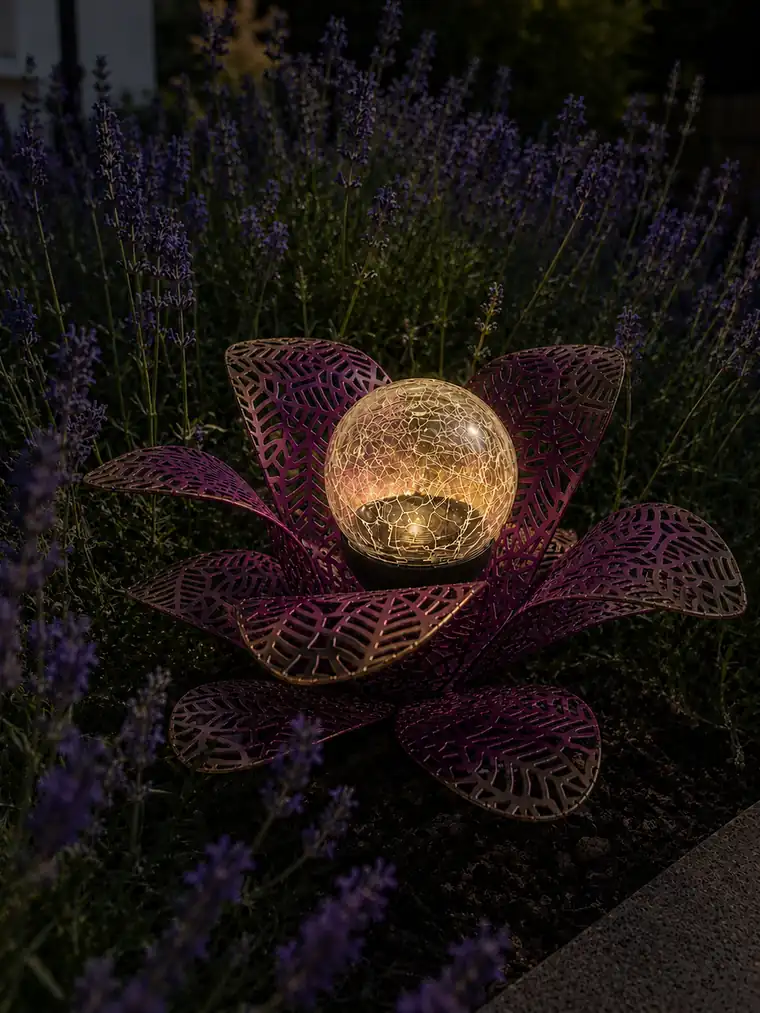
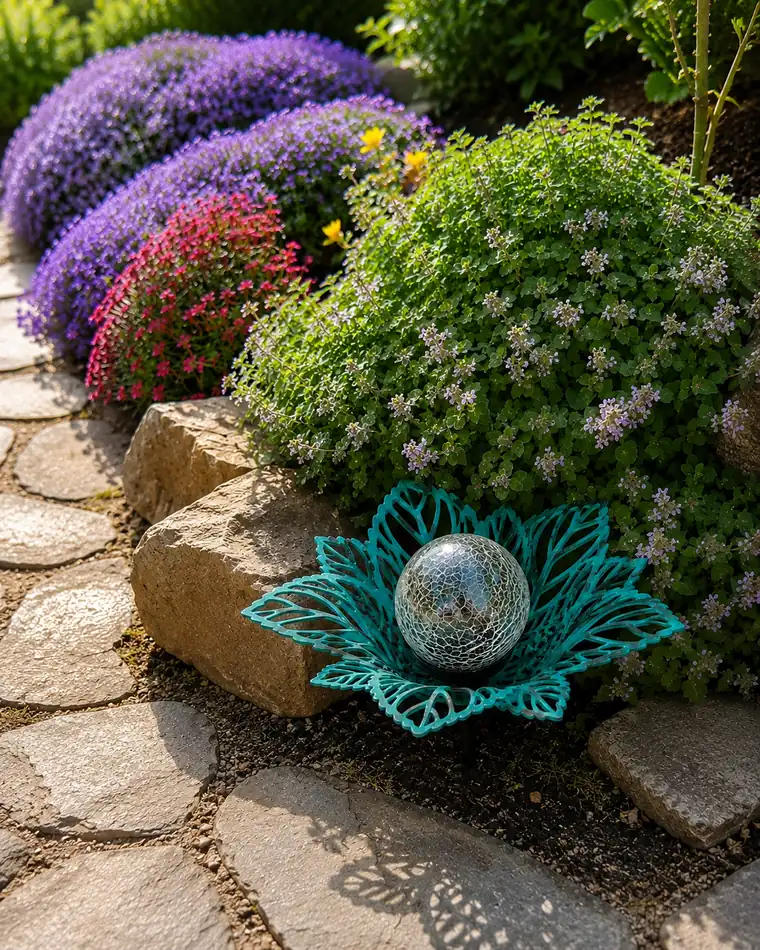
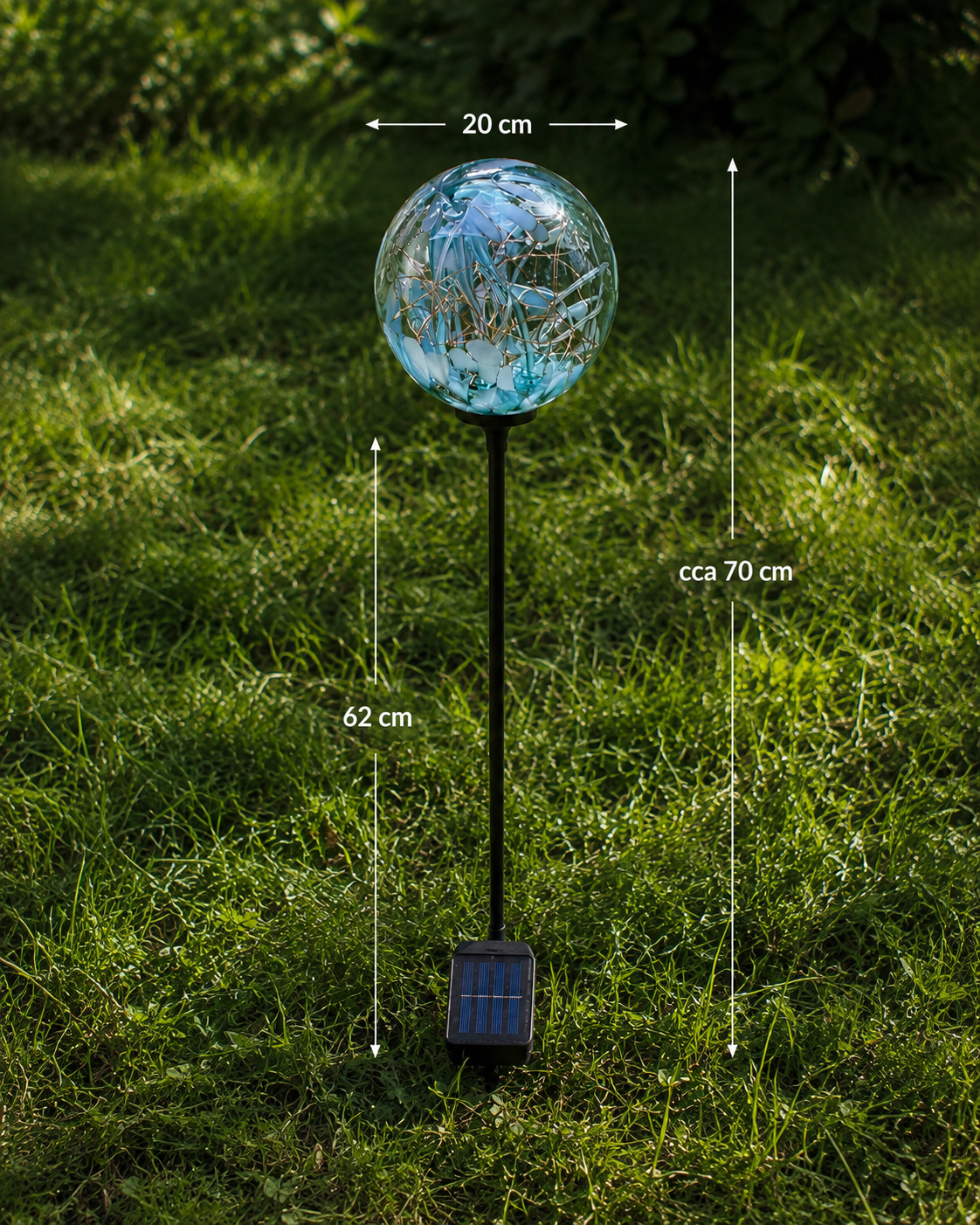
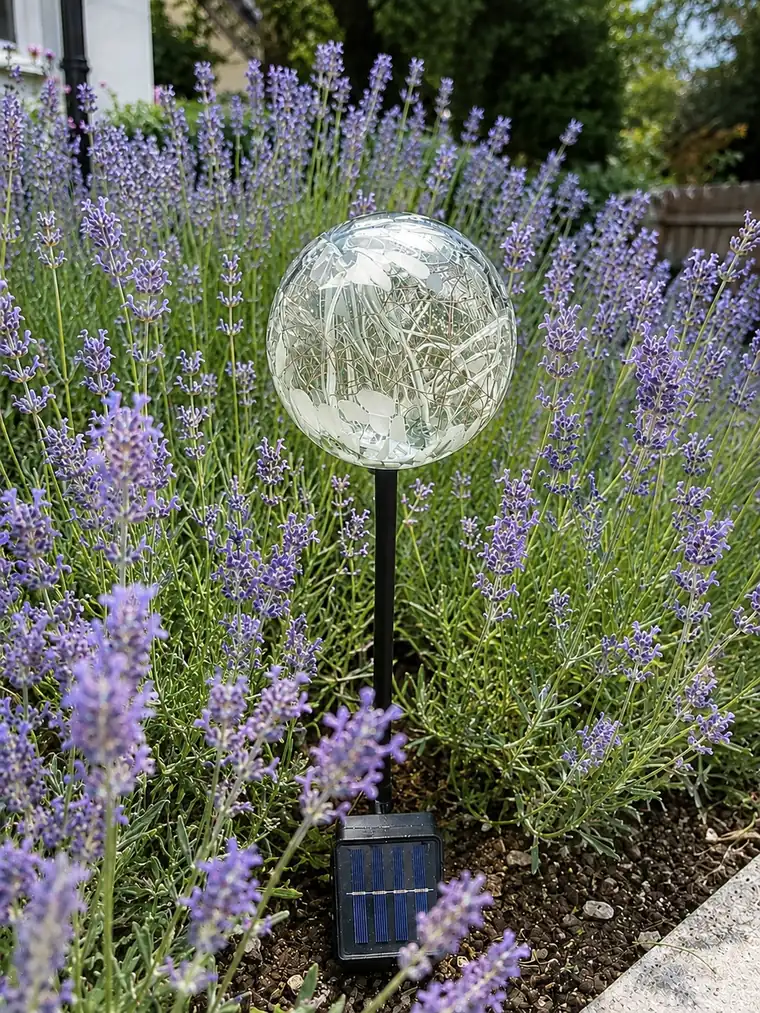
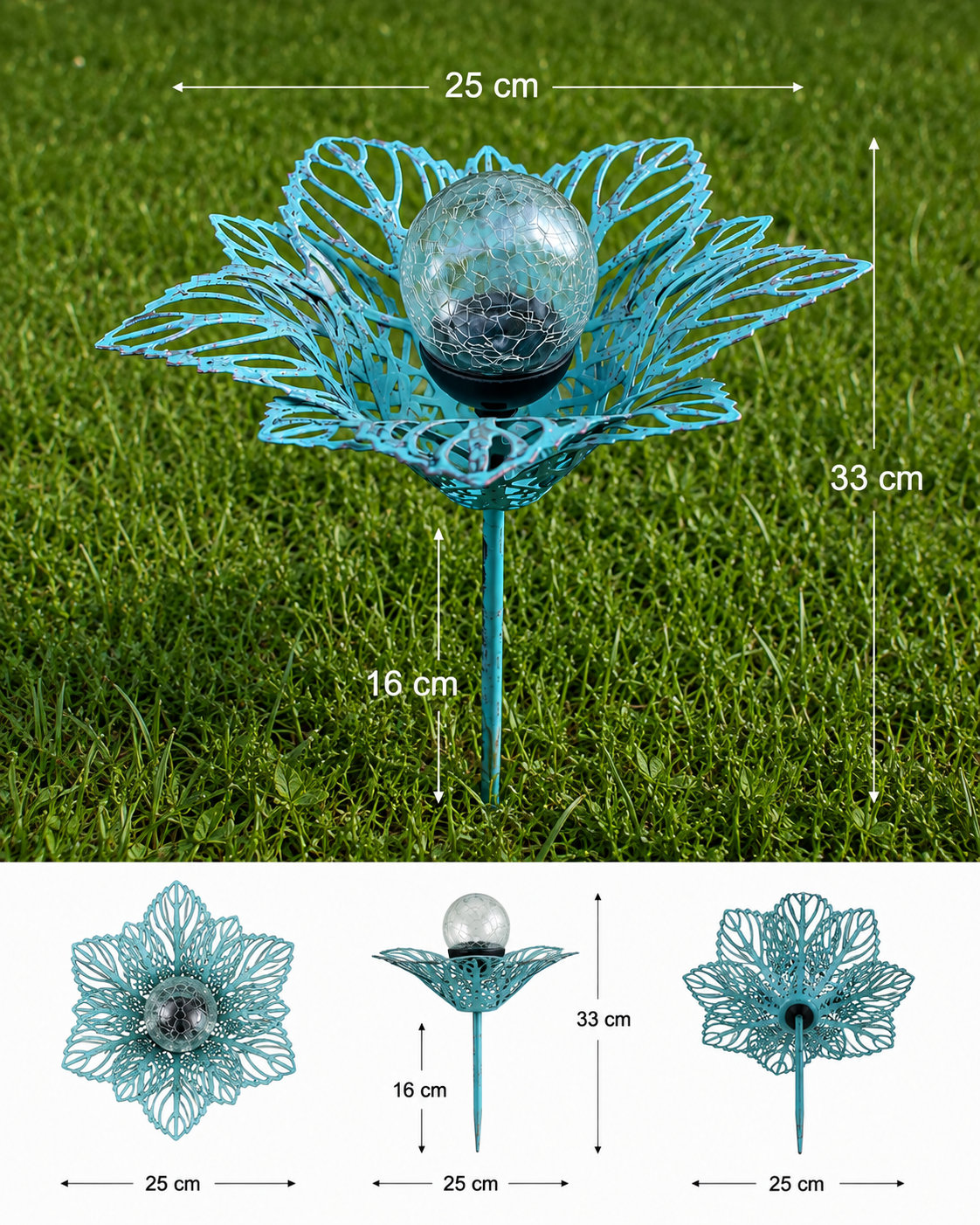
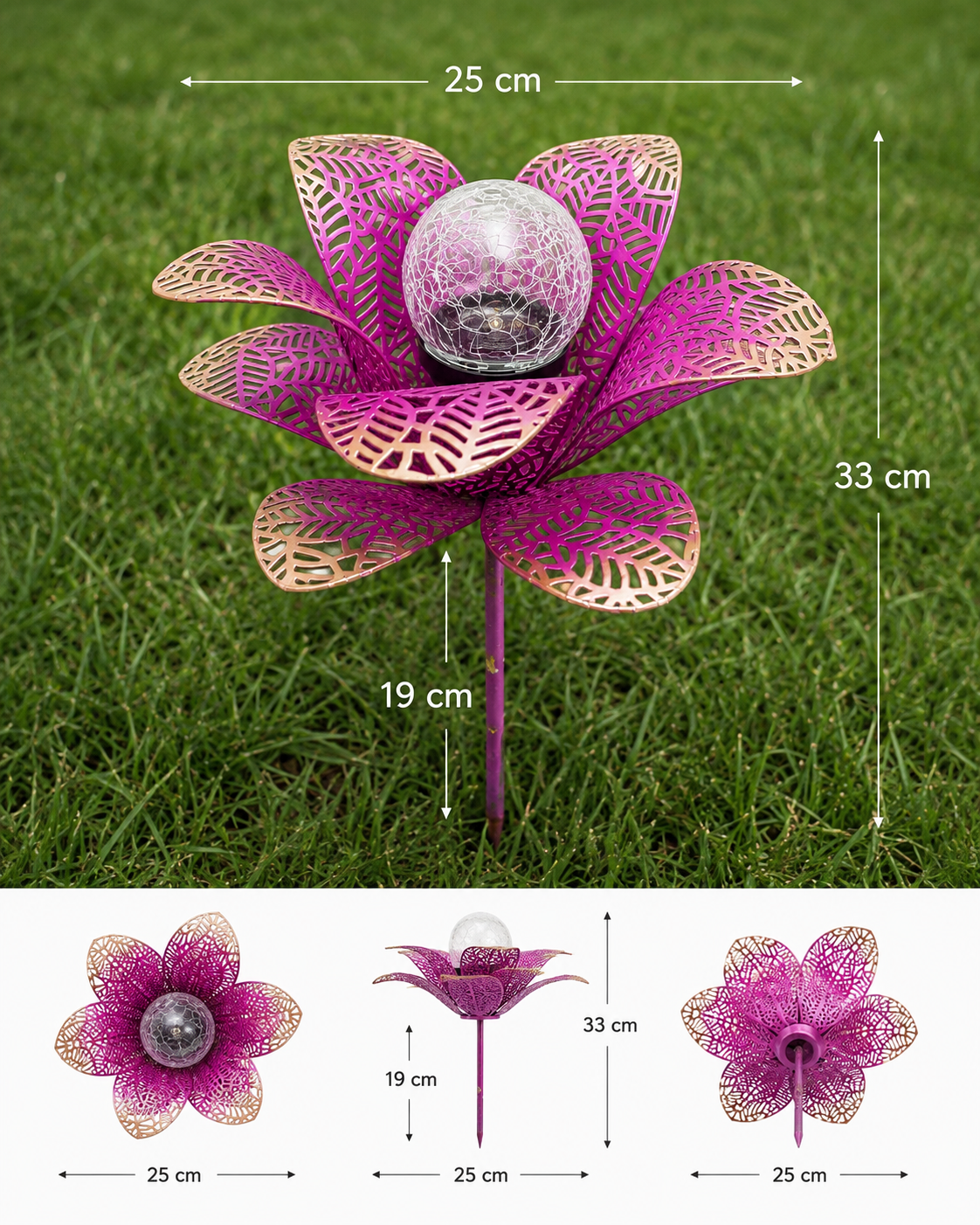
A garden that truly comes alive after dark spreads the light: two, three, even four smaller lights in different spots instead of one strong one. Solar orbs and lanterns are made for this — push them into the soil wherever you want the eye to rest when you look out from the window or the terrace.
2. Mix the heights
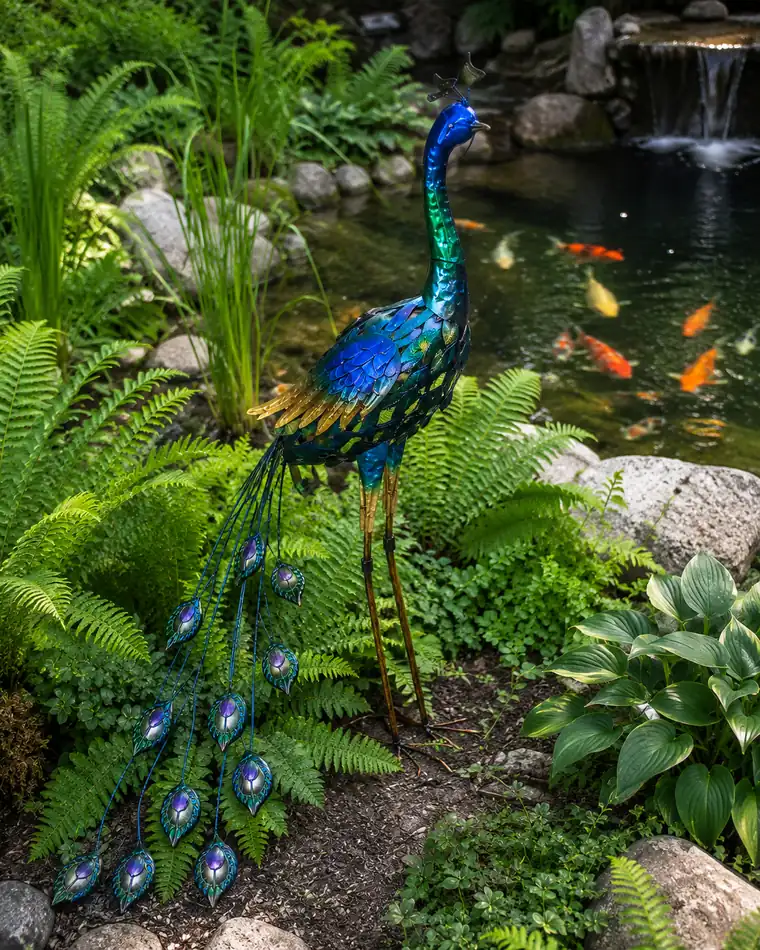
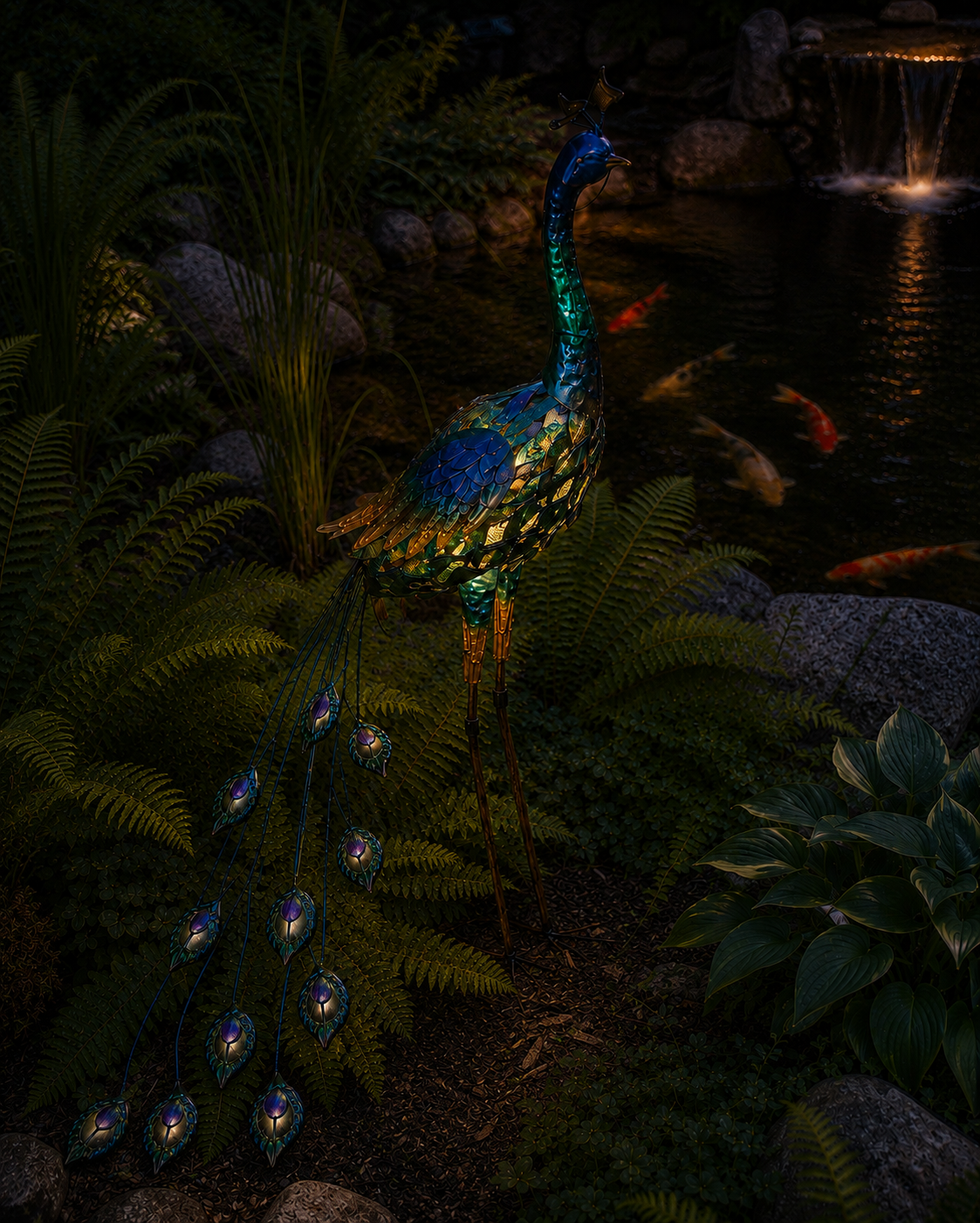
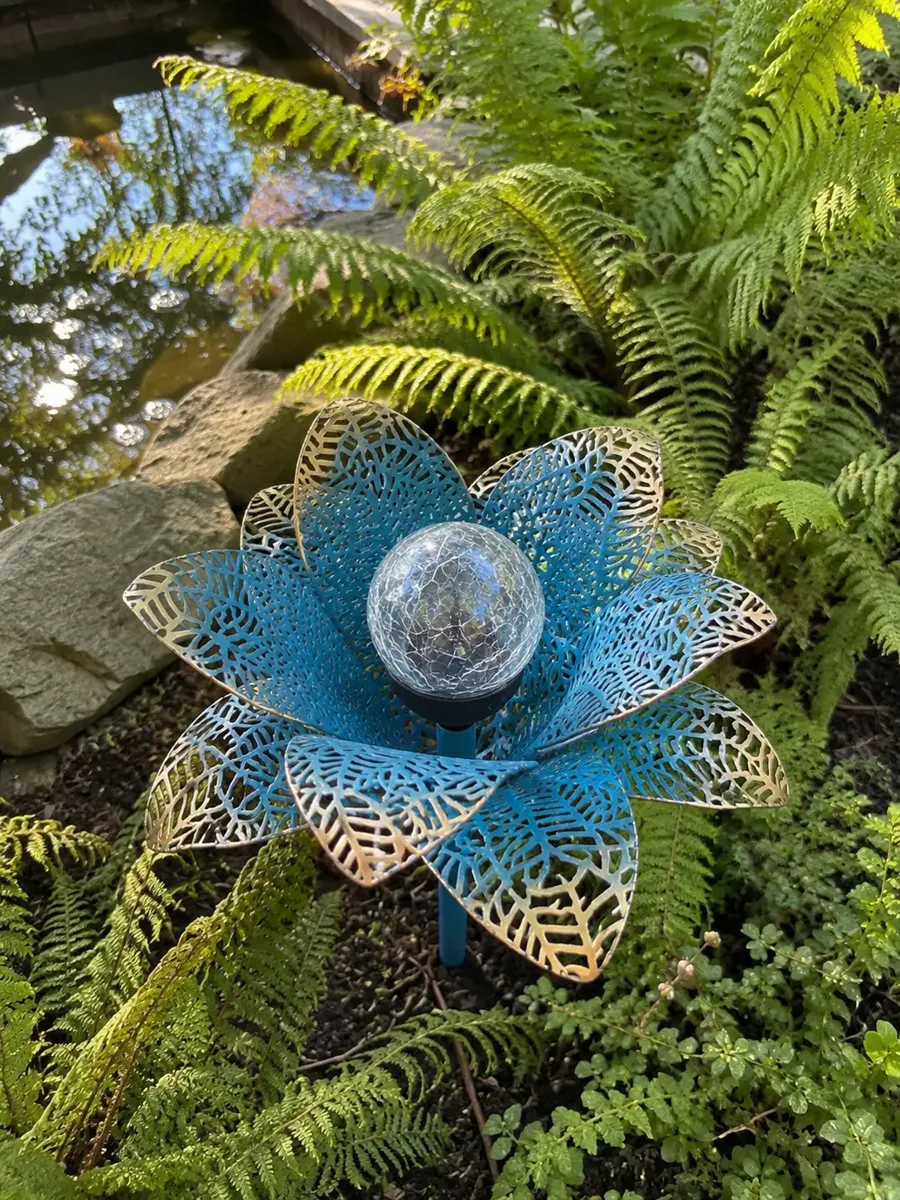
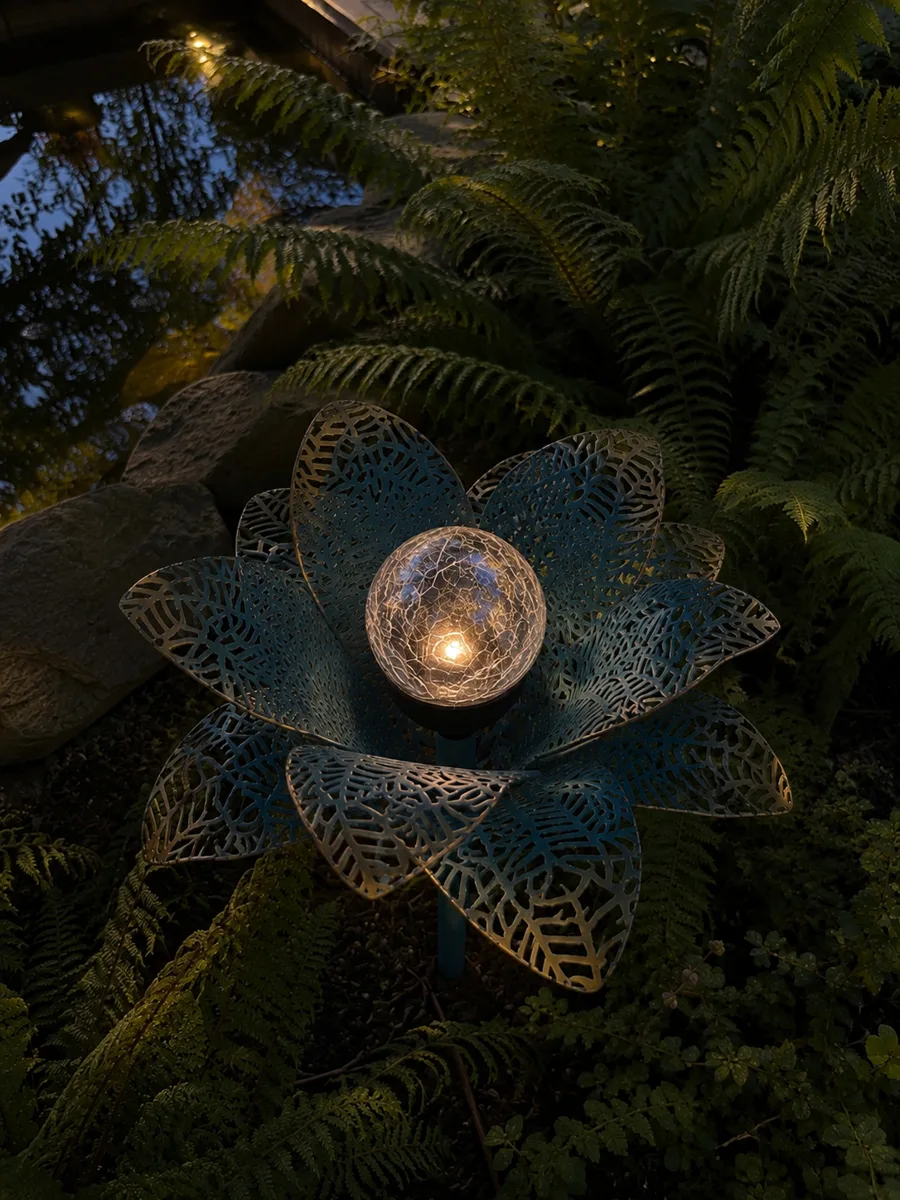
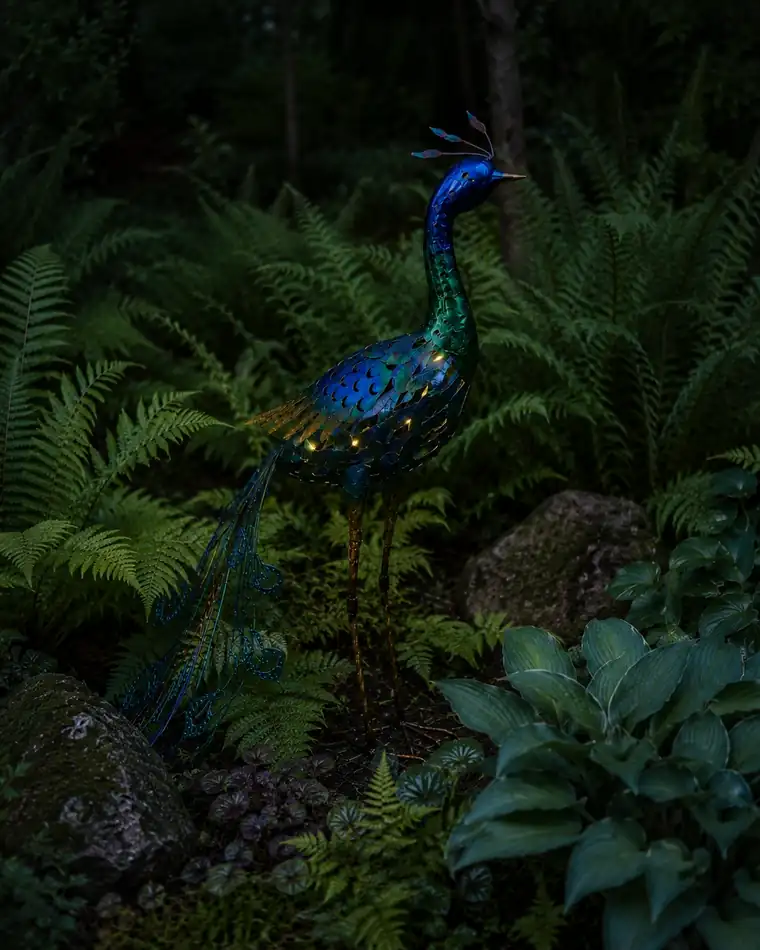
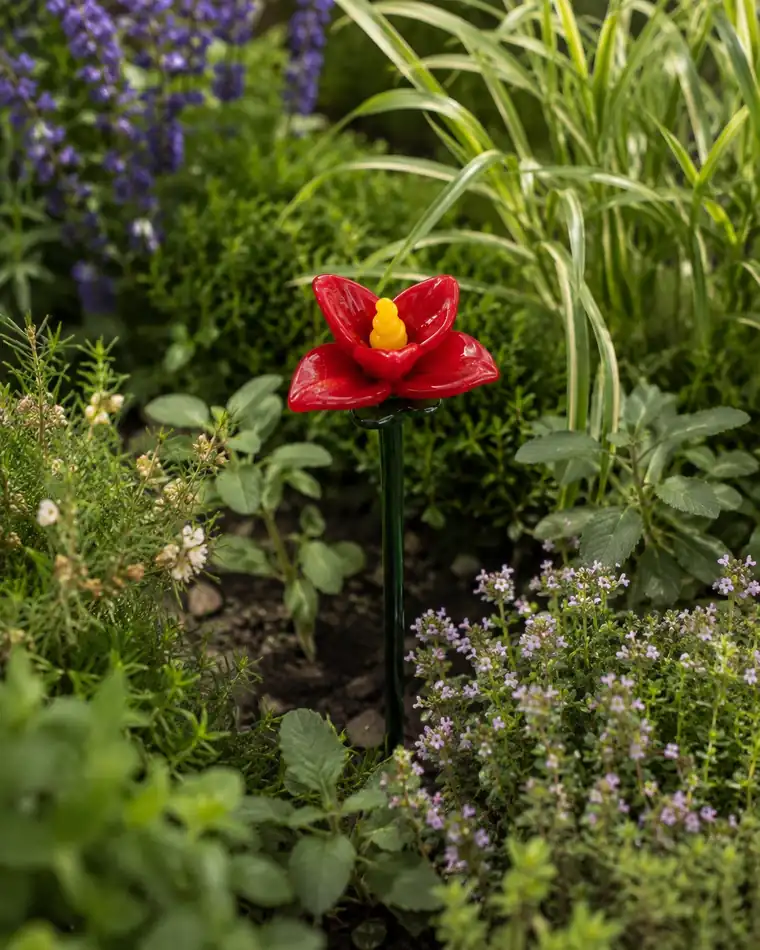
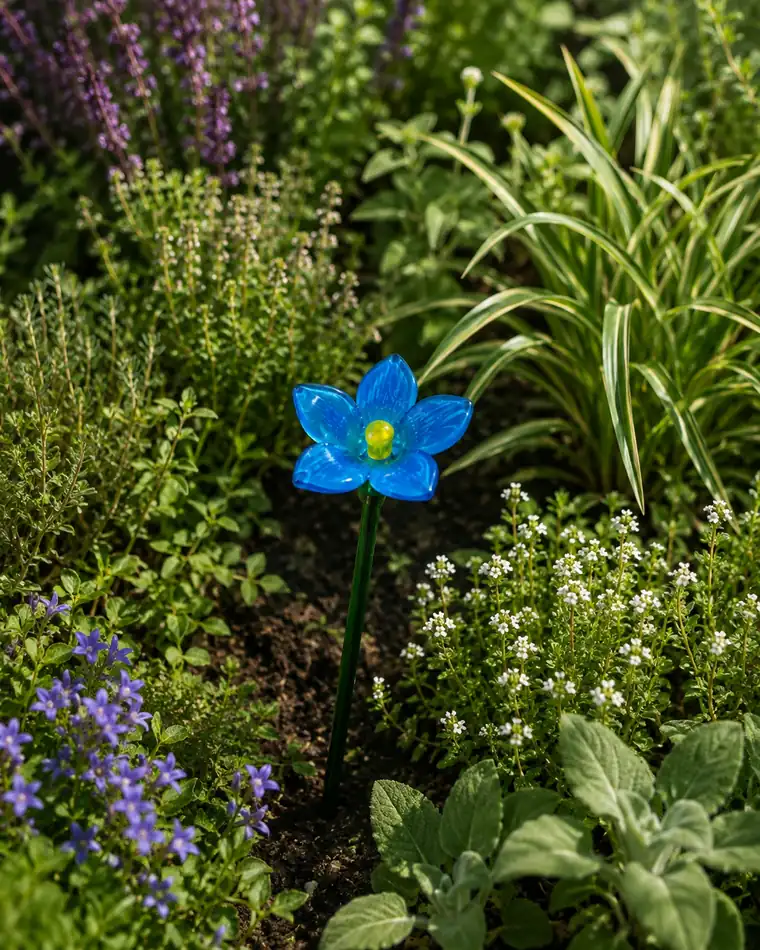
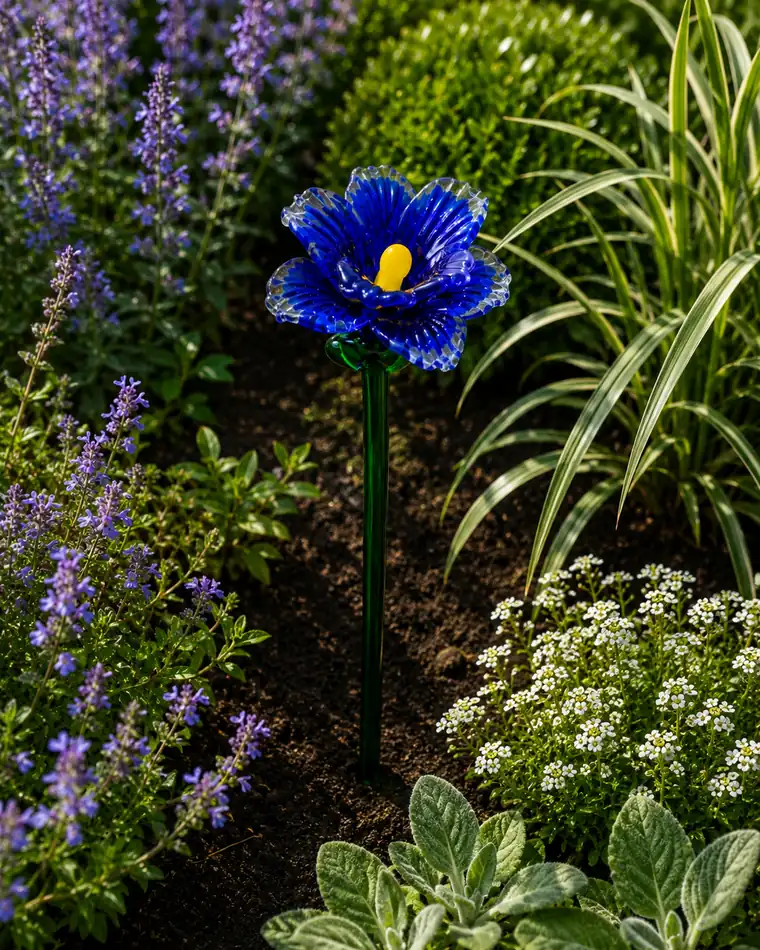
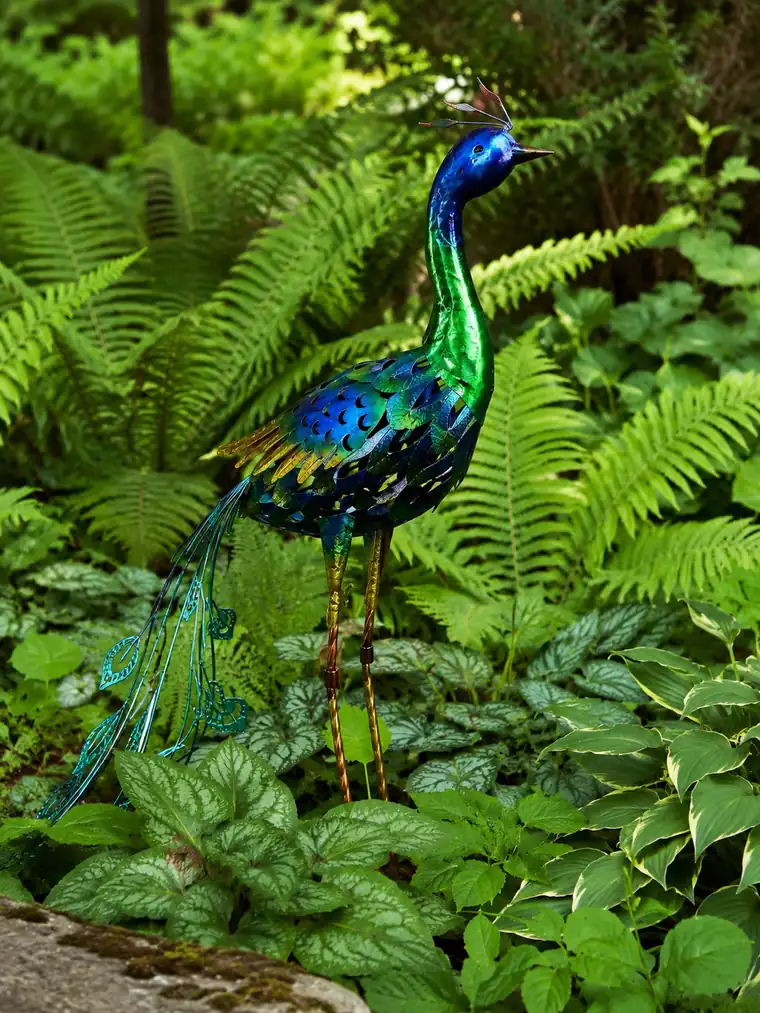
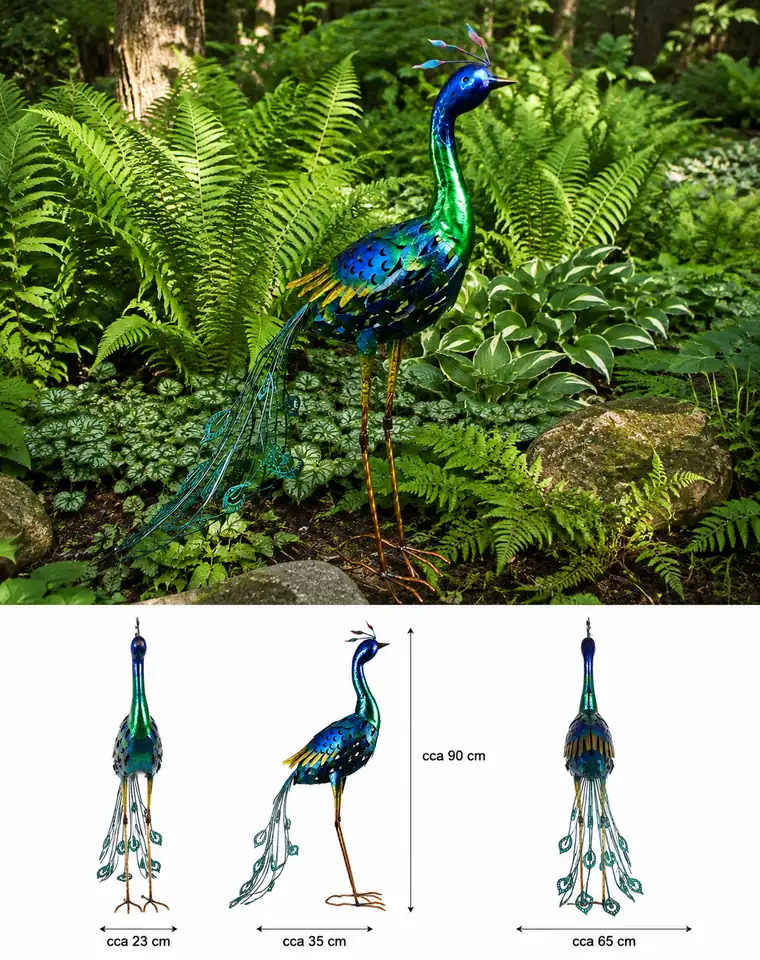
A light at ground level reads differently from one at knee or waist height. Combine low spike lights with a taller piece — a solar sculpture or a lantern on a stem. That is what creates natural depth.
3. Let the darkness do its work
The best effect appears where light alternates with dark. Leave part of the bed in shadow and light only the spots you want to highlight.
Bonus: placement decides run time
Solar lights need sunlight to store energy. An ideal spot gets at least 4–6 hours of direct light a day.
Frequently asked questions
How many lights does one bed need?
For a bed a few metres long, plan on two to four smaller lights. Spread out they look better than a single bright one.
Do solar lights need installing?
No. Push the lamp into the soil, it charges during the day and switches itself on at dusk. No cable, no socket.
How much sun do they need?
Ideally 4–6 hours of daylight. The panel does not need full sun all day, but it must see the sky.
Solar lights for the bed
Handmade in Germany. Shipping is calculated at checkout.